
Bruxism & the TMJ

If you grind your teeth, wake with a sore jaw or have been told you have a TMJ problem, you may be wondering whether an oral appliance is still an option for you. The short answer is yes - and you are in good hands.
What is bruxism or teeth grinding?
Bruxism is the habit of grinding or clenching your teeth, either during the day or during sleep. It is more common than most people realise, and it frequently coexists with snoring and sleep apnoea. In fact, sleep bruxism and sleep apnoea share common pathways. Both are influenced by sleep arousals, and treating one often has a positive effect on the other.
Common signs of bruxism include:
Waking with a sore or stiff jaw
Morning headaches or facial pain
Worn, chipped or sensitive teeth
Ear pain or a feeling of fullness in the ears
Clicking or popping in the jaw joint
Tight or fatigued jaw muscles
What is the TMJ?
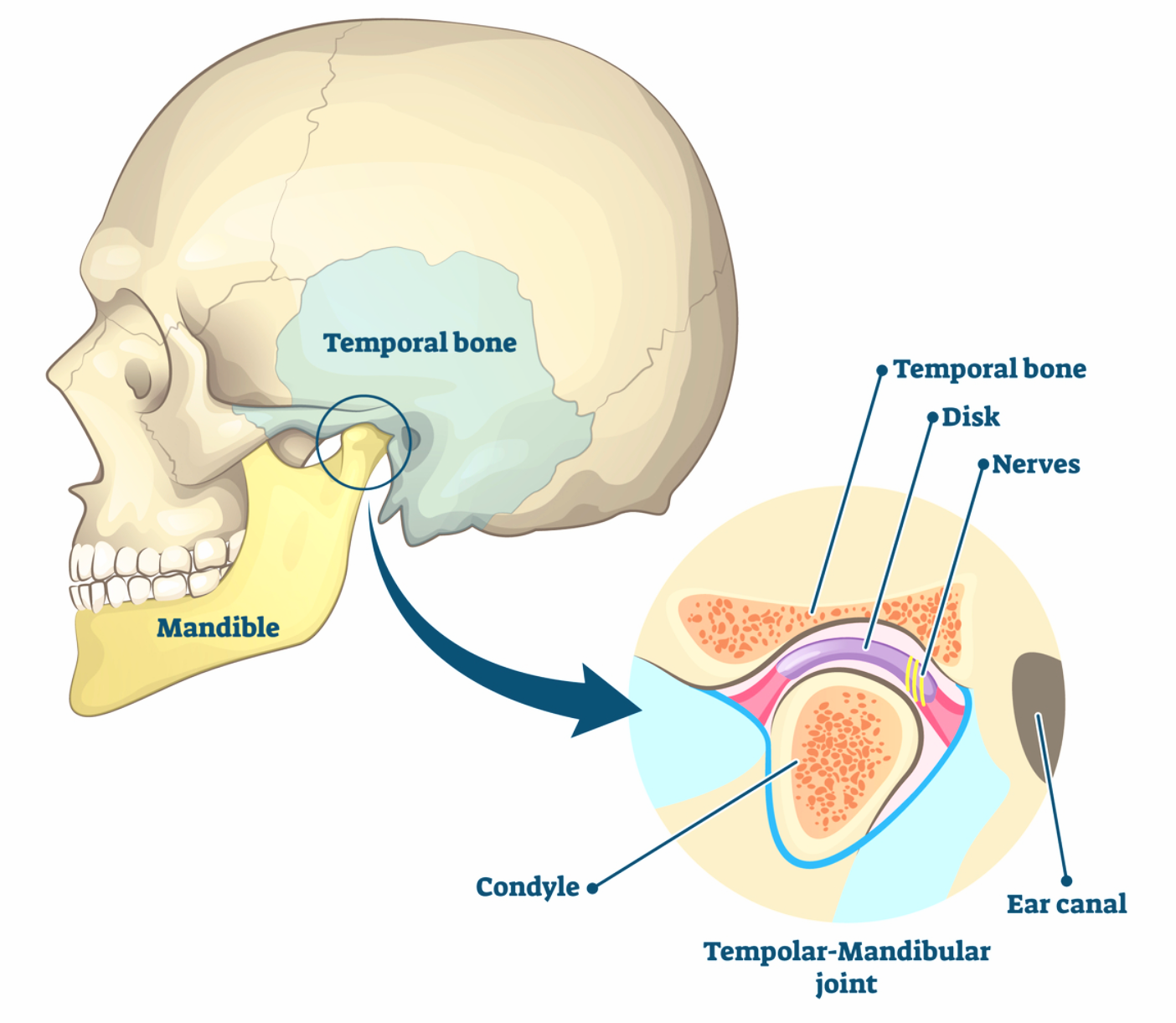
The temporomandibular joint (TMJ) is the joint connecting your jaw to your skull. It is one of the most frequently used joints in the body and, when it is causing problems, it can affect everything from eating and speaking to sleep quality and general comfort.
Temporomandibular disorder (TMD) refers to a range of conditions affecting the joint, surrounding muscles and jaw function.
The SleepWise approach to TMJ health
Our clinicians conduct a comprehensive assessment of your teeth, jaw muscles, jaw joints and range of movement at your initial consultation - not just your airway. This means any existing bruxism or TMJ concerns are identified, understood and factored into your treatment plan from the outset.
Our clinical protocols include conservative bite registration, gradual appliance titration and structured follow-up. Our front desk and clinical teams work closely together to ensure any emerging jaw concerns are addressed promptly, especially during the early adaptation phase.
Oral appliance therapy at SleepWise is never a set-and-forget treatment. We are with you at every stage.
Can I still have an oral appliance if I grind my teeth or have jaw pain?
This is one of the most common questions we receive - and the evidence is reassuring.
A history of bruxism or TMD is not a reason to rule out oral appliance therapy. What it does require is careful assessment, a thoughtful approach and attentive ongoing care - all of which are central to how SleepWise works.
Oral appliances, also known as mandibular advancement splints, work by gently holding the lower jaw forward during sleep. Far from overloading the jaw joint, research shows that this forward position can actually decompress the joint, reduce loading on sensitive structures and help stabilise the disc and condyle relationship. Studies also indicate that by reducing sleep-related breathing disturbances, oral appliance therapy can lead to a reduction in the grinding activity associated with sleep bruxism.
What to expect if you have TMJ sensitivity?
Some patients experience mild and transient jaw discomfort in the early stages of wearing an oral appliance, particularly in the first few weeks. This is not uncommon and does not mean treatment is not working or is not right for you. It typically settles with simple adjustments, morning realignment exercises and a gradual titration approach. Your SleepWise sleep medicine dentist will guide you through any early discomfort you may have and the SleepWise team is here to support you.
Long-term data is reassuring. The research consistently shows that oral appliance therapy does not cause clinically significant TMD, and many patients with pre-existing TMJ sensitivity find their symptoms actually improve over time as the airway is stabilised and sleep quality improves.
Oral appliance therapy is an effective alternative that is preferred by some patients.
The American Academy of Sleep Medicine recommends that sleep physicians and dentists work together to identify the optimal treatment for each individual patient.
— American Academy of Sleep Medicine Clinical Practice Guideline, 2015
Don't let jaw concerns keep you from better sleep.
If you have a history of teeth grinding or jaw pain, you may be wondering whether an oral appliance is still an option for you. It is a question we hear often - and the answer, for most people, is yes.
A history of bruxism or TMJ sensitivity is not a reason to rule out treatment. It simply requires a more thorough assessment at the start, a careful approach to fitting, factoring any existing concerns into your treatment plan from the very beginning and attentive follow-up. All of which are central to how SleepWise clinicians practise regardless.
Most patients with a history of teeth grinding or jaw pain adapt well to oral appliance therapy. If concerns do arise during treatment, our clinicians are experienced in managing them - and our structured follow-up means nothing goes unnoticed. You are in good hands.
Dedicated.
Involved. Accredited.
Here for you.




3 convenient locations across Melbourne
SleepWise Clinic - Melbourne CBD
Level 5, 294-296 Collins Street,
Melbourne VIC 3000
M-F 9am - 5pm
SleepWise Clinic - Geelong
264 Shannon Avenue,
Geelong West VIC 3218
M, T, TH 9am-5pm
SleepWise Clinic - Hawthorn East
GF 124-126 Camberwell Rd,
Hawthorn East VIC 3123
TH 9am-5pm