Sleep
Apnoea
Obstructive sleep apnoea (OSA) is one of the most common - and most underdiagnosed - sleep disorders in Australia. Many people live with it for years without knowing, attributing their tiredness, poor concentration and irritability to stress, age or a busy lifestyle.
If you snore regularly, wake unrefreshed or have been told you stop breathing during the night, it is worth understanding whether sleep apnoea may be involved.
It is worth noting that not all patients with sleep apnoea are symptomatic, making diagnosis even more important.
What is Obstructive Sleep Apnoea?
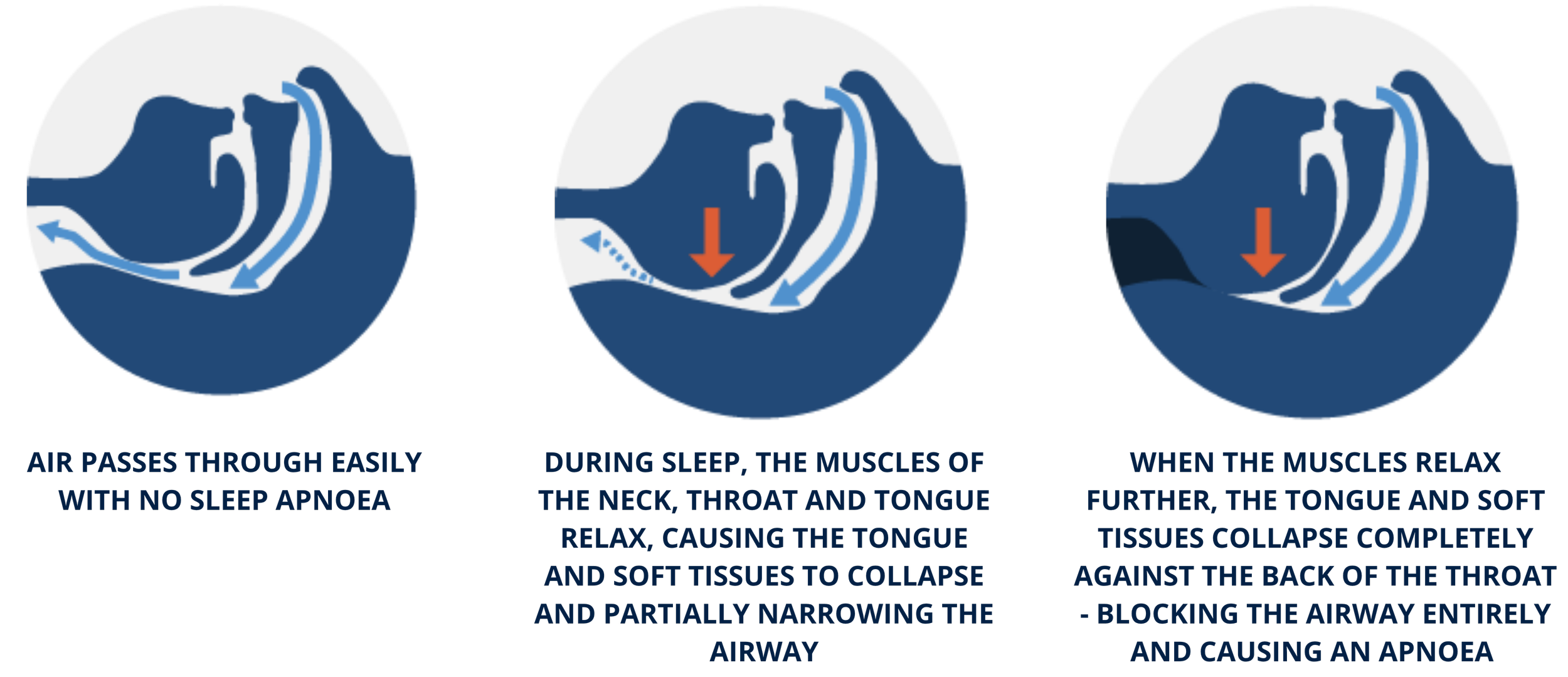
Obstructive sleep apnoea occurs when the soft tissues of the throat collapse against the back of the throat during sleep, partially or completely blocking the upper airway. As blood oxygen levels fall, the brain triggers a partial awakening - breathing resumes, often with a gasp - and the cycle repeats. This can happen dozens or even hundreds of times per night, almost always without the person being aware.
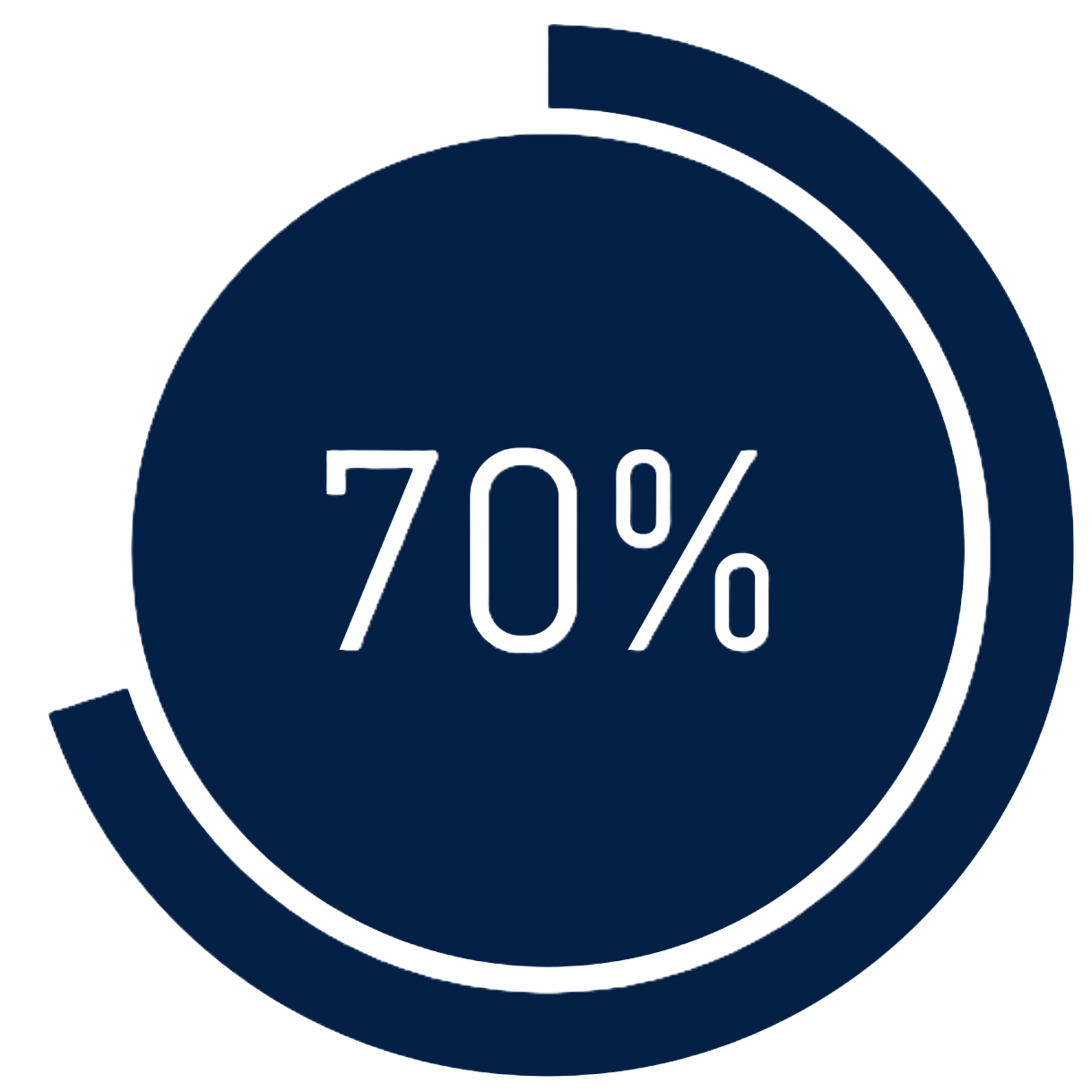
70% of regular snorers also have obstructive sleep apnoea
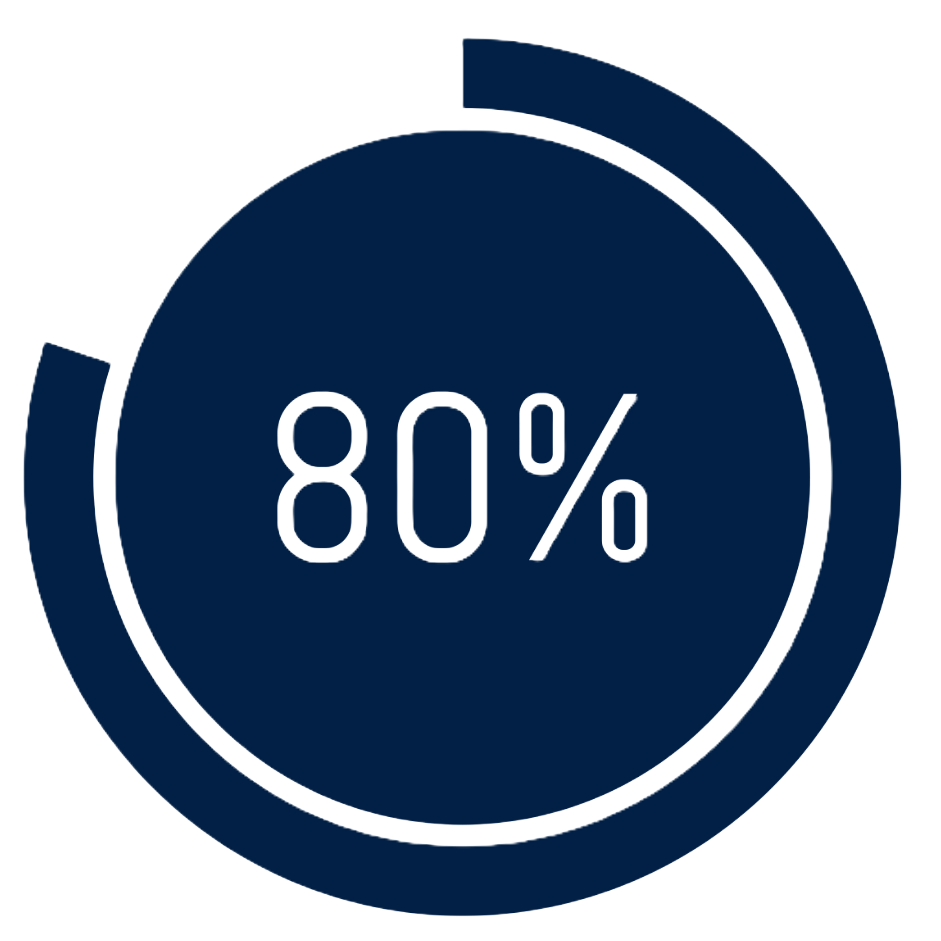
80% of sleep apnoea cases are not diagnosed
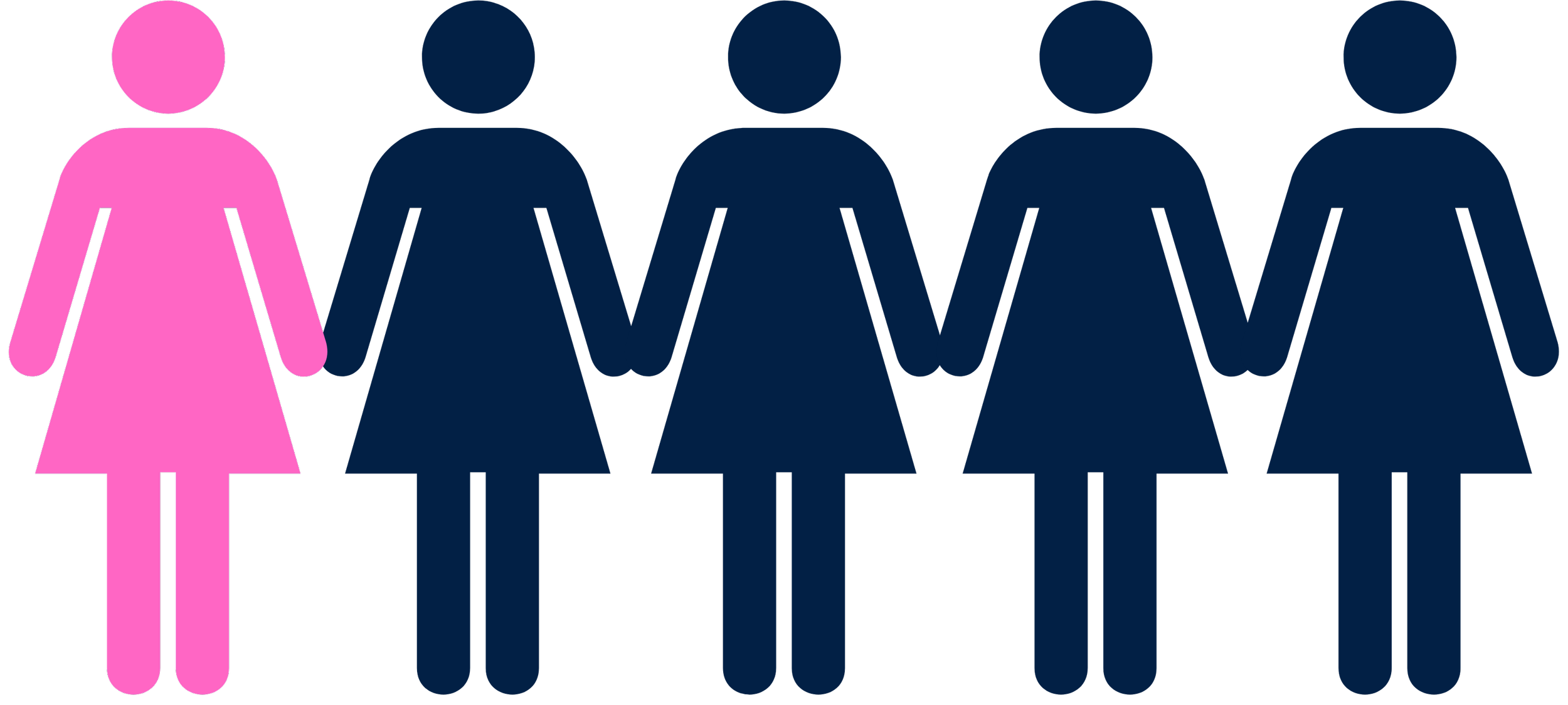
1 in 5 women develop sleep apnoea during menopause

46% higher risk of premature death associated with untreated severe
sleep apnoea
Do I have
sleep apnoea?
Sleep apnoea symptoms are often dismissed or attributed to other causes. If you recognise several of the following, a sleep study is your next step.
-
Snoring is the most common sign, particularly if it is loud, frequent or punctuated by gasping or choking sounds. However, it is also possible that sleep apnoea can occur without any complaints or feedback about snoring.
-
Feeling as though you have not slept, even after seven or eight hours, is a hallmark symptom of disrupted sleep architecture - the sleep is happening, but it is not restorative. The repeated arousals caused by airway collapse prevent the deeper, restorative stages of sleep from being reached and sustained.
-
A brain fog that sits heavy around you during the day, relying on coffee or snacks to carry on through the day, struggling to stay alert during meetings or feeling exhausted by mid-afternoon. You may be struggling to find energy for things that used to come easily. Fatigue is not the same as sleepiness - it affects how you engage with your daily life.
-
Cognitive function is significantly affected by disrupted sleep with patients often describing a persistent mental fog, difficulty retaining information and a feeling of operating below their usual capacity. These symptoms are frequently attributed to stress, age or a busy lifestyle rather than a sleep disorder.
-
Morning headaches on waking, particularly across the forehead, and a dry or sore throat are common in people with undiagnosed sleep apnoea and are often the first symptoms patients mention when they reflect on their history.
-
A clear sign that the airway is being obstructed during sleep. This is often witnessed by a partner but some patients wake themselves with a loud snort or gasp, heart racing, with no understanding of what has happened. Others sleep through the events entirely, unaware that their breathing has stopped repeatedly through the night.
-
Nodding off easily during the day or at times when you should be alert - in meetings, in a car and while stopped at the lights or in front of the television - is an indicator that impacts on safety and daily function. In severe cases it affects the ability to drive safely and is one of the strongest indicators that sleep is being significantly disrupted overnight.
-
Less frequently discussed but well documented - disrupted sleep and the hormonal effects of repeated overnight oxygen drops are associated with reduced libido and sexual dysfunction in both men and women. It is rarely the presenting complaint, but often mentioned once patients begin sleeping well again.
-
While often attributed to stress, ageing or needing to go to the bathroom, this is frequently caused by the arousal response triggered by airway collapse. The brain senses the drop in oxygen and briefly wakes the body to restore breathing, often without the person being fully conscious of it.
-
Sleep deprivation has a significant effect on mood, patience, resilience and emotional regulation. Partners and family members often notice the change before the person themselves does.
Custom mandibular advancement devices are an evidence-based treatment for snoring and obstructive sleep apnoea.
— Australasian Sleep Association, the American Academy of Sleep Medicine, the European Respiratory Society and the World Sleep Society
Sleep studies are important
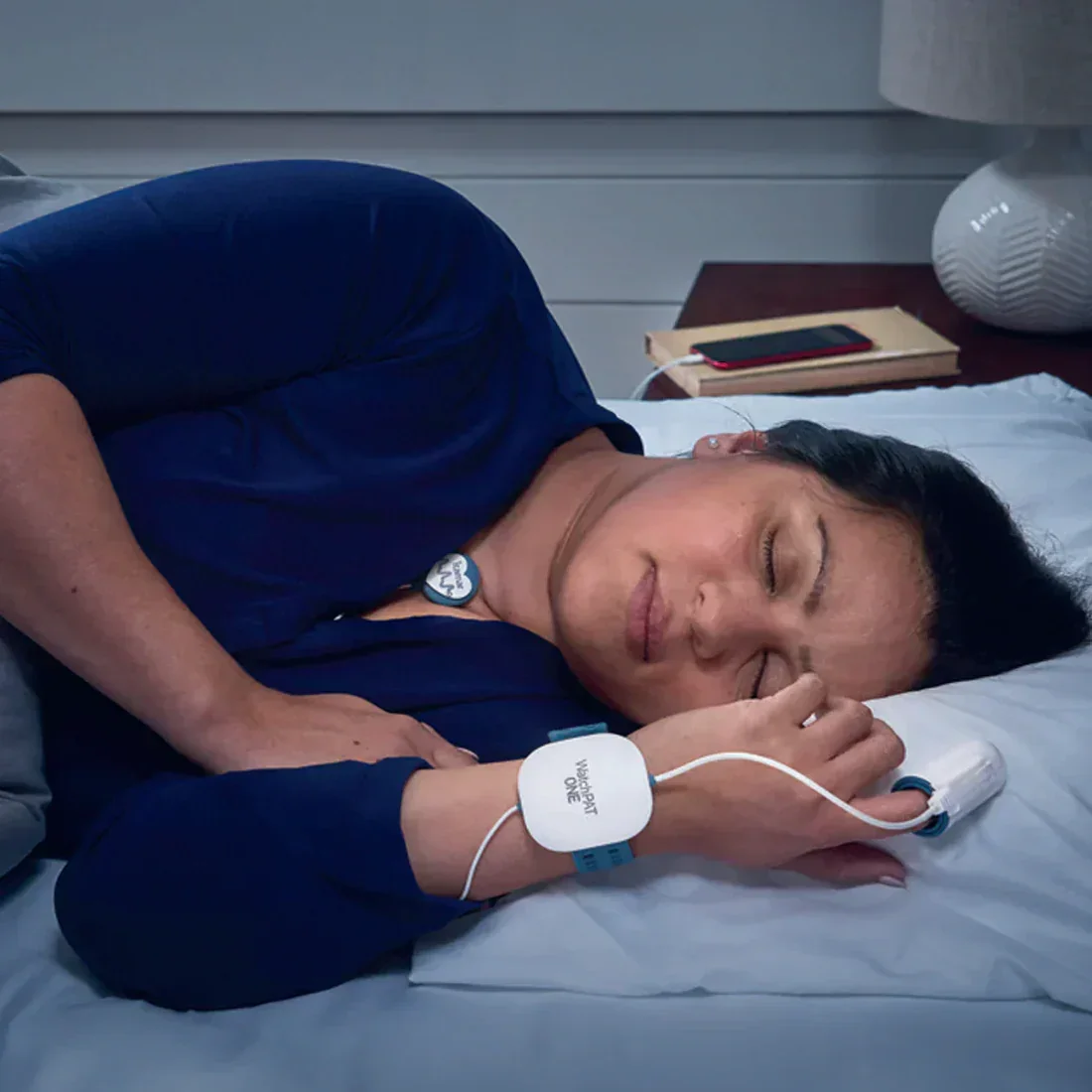
The only way to confirm a diagnosis of sleep apnoea and determine its severity is through a sleep study. This matters for two important reasons.
First, it establishes whether you have sleep apnoea and how significant it is. Second, the severity of your sleep apnoea directly influences which treatment is most appropriate for you.
At SleepWise, if you have not yet had a sleep study, we can arrange a home-based diagnostic sleep study conducted in your own bed. Results are reported by a specialist sleep physician and are typically available in 10 business days.
In-lab sleep studies often require a referral to a specialist sleep physician and are often very helpful if more information from your sleep is needed. Your SleepWise sleep medicine dentist can recommend which is suitable for you.
Hidden health risks of untreated sleep apnoea
Heart disease and heart attack
OSA is independently associated with coronary artery disease, heart failure and cardiac arrhythmia - driven by the repeated cycles of oxygen deprivation and cardiovascular stress that occurs every time the airway collapses during sleep.
High blood pressure
The relationship between OSA and hypertension is well established and dose-dependent. The more severe the sleep apnoea, the greater the risk. Up to 83% of patients with treatment-resistant hypertension are estimated to have undiagnosed OSA.
Stroke
People with severe obstructive sleep apnoea have been shown to carry nearly 3x the risk of sudden cardiovascular death compared with those without the condition. Each apnoeic episode placing cumulative strain on the cerebrovascular system overnight.
Diabetes
Repeated overnight oxygen drops disrupt the body's ability to regulate blood glucose and insulin response. OSA is now recognised as an independent risk factor for type 2 diabetes, separate from the contribution of obesity and excess weight.
Your obstructive sleep apnoea treatment options
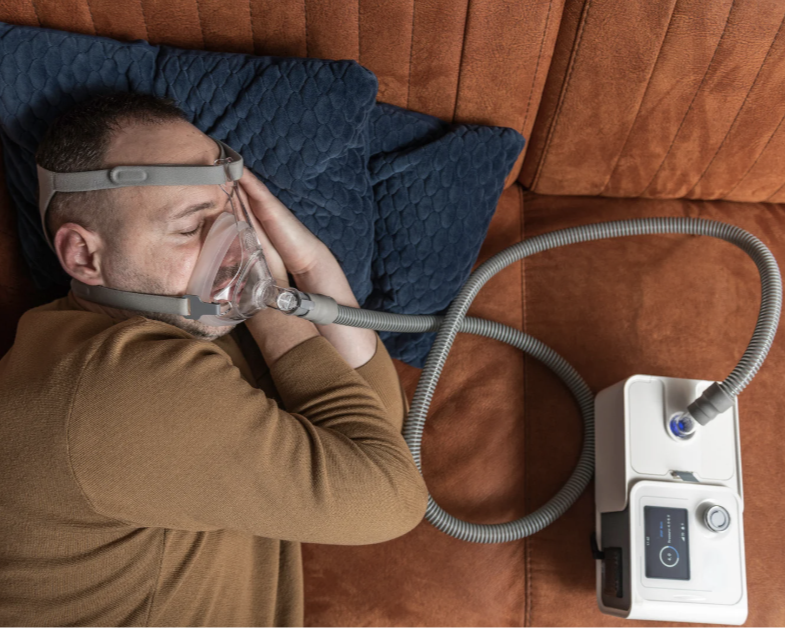
CPAP therapy
The gold standard for severe obstructive sleep apnoea. Delivers pressurised air through a mask to keep the airway open. Highly effective when used consistently. Studies have shown between 30 and 60% of patients are unable to tolerate it long-term.
Oral appliance therapy
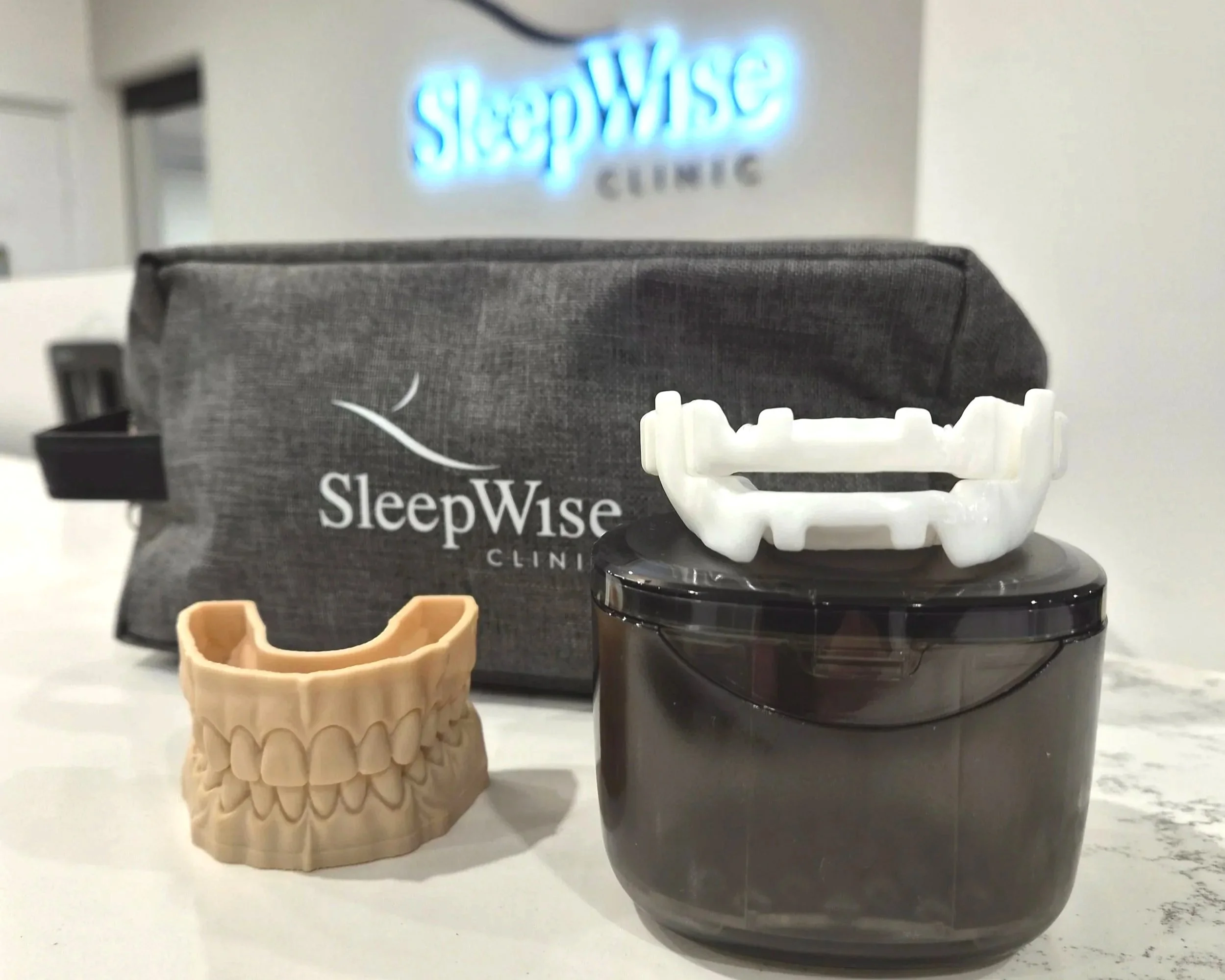
Recommended as the frontline treatment for snoring, mild and moderate OSA, and as an effective alternative to CPAP for patients who cannot tolerate it. Custom-fitted, 3D-printed, Australian-made. No mask, no machine, no electricity.
At SleepWise, we have seen firsthand what the evidence consistently shows - oral appliance therapy is one of only two frontline treatments for obstructive sleep apnoea, and the one that patients actually tolerate and use.
A treatment that sits in a drawer does not treat sleep apnoea. One that is worn comfortably every night does.
New generation 3D-printed nylon appliances
What makes a SleepWise oral appliance different?
-
Every appliance is manufactured by our Melbourne-based specialist dental sleep laboratory - not a general dental lab. All oral appliances are quality checked by a SleepWise sleep medicine dentist before your fitting appointment.
-
No messy impressions. No inaccurate moulds. A precise digital scan of your teeth takes minutes and produces a highly accurate model.
-
Manufactured to as little as 2mm in thickness. Extremely thin, virtually unbreakable through normal use and highly durable and easy to care for.
-
Custom-tuned to find the optimal jaw position that manages your snoring and sleep apnoea symptoms. As your day and lifestyle changes, your SleepWise clinician will guide you on how to further adjust your oral appliance to continue benefitting from it.
-
Every appliance is backed by a three-year laboratory warranty against manufacturing defects and breakage.
-
Follow-up appointments, adjustments and reviews in the first 12 months are included as part of your treatment. Annual reviews attract a fee and are highly recommended to clean your appliance, discuss your changing needs and further optimise your appliance for your benefit.
-
Your oral appliance is straightforward to care for at home, and the SleepWise team will walk you through exactly what to do at your fitting appointment. Over time, a slight yellowing may develop - a natural result of contact with saliva proteins, similar to the way teeth gradually change colour with age. This is a normal part of wear and does not affect how the appliance functions. At every review appointment, we include a complimentary clean of your appliance as part of your visit.
Is a sleep apnoea mouthguard right for me?
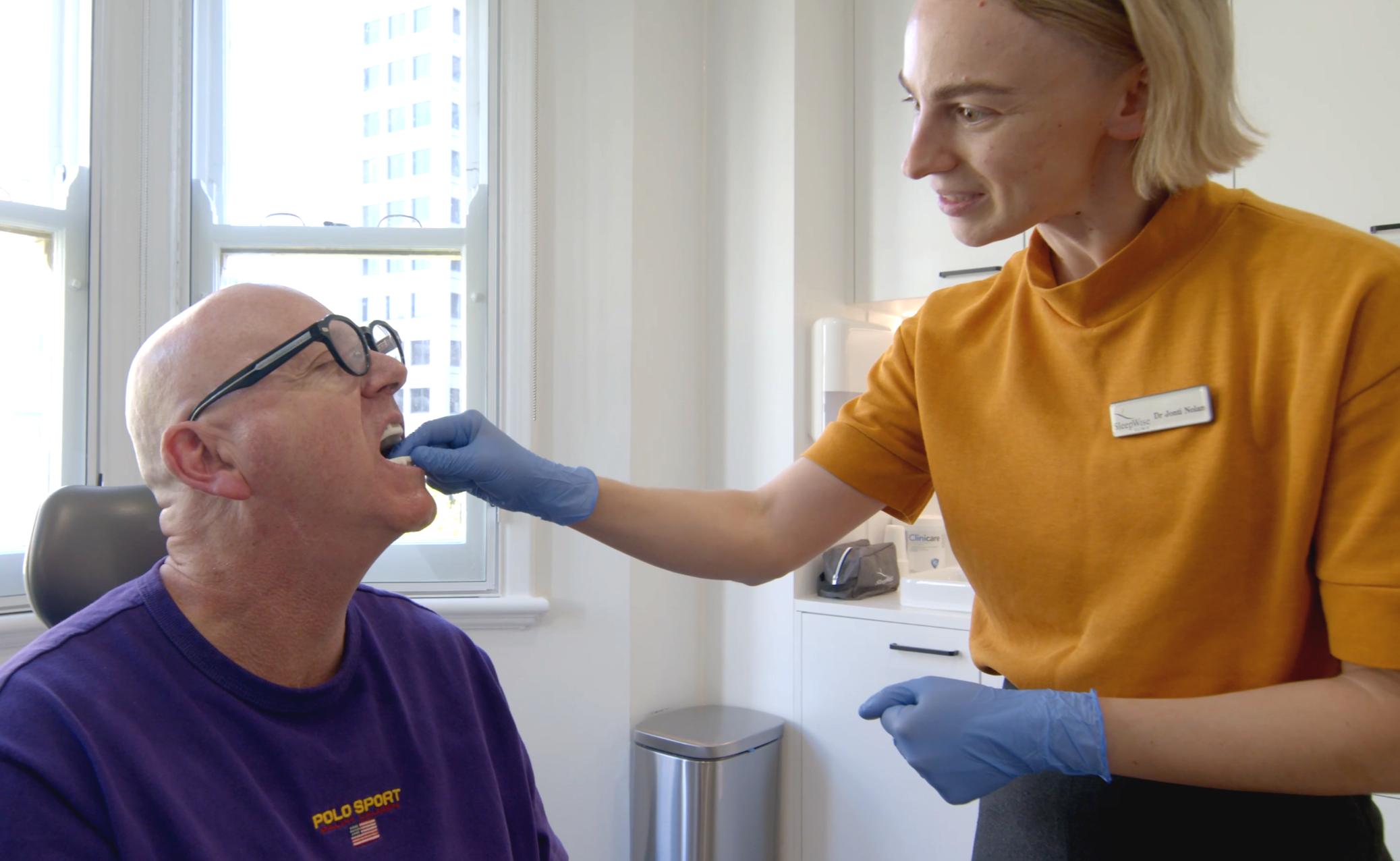
Not sure whether oral appliance therapy suits your situation? Our dedicated page walks you through who is most likely to benefit, what the treatment involves and what to expect at each stage.
Let's find out what's going on.
Haven't had a sleep study yet?
Take our free two-minute online sleep apnoea screening test and find out whether a home sleep study is worth arranging.
Ready to do something about it?
Book a consultation or a free call with one of our treatment coordinators - no referral needed, no obligation.
Dedicated.
Involved. Accredited.
Here for you.