
SleepWise Clinic’s Sleep Better Hub
Good sleep touches everything - your energy, your mood, your relationships, your long-term health.
The Sleep Better Hub is SleepWise Clinic’s free online resource centre, designed to keep you informed, curious and connected to the wider world of sleep health. Whether you are researching snoring or sleep apnoea, exploring CPAP alternatives, or simply looking for practice ways to sleep better - you will find clear, evidence-based answers here. written in plain language and updated regularly.

World Menopause Day: Is It Menopause, or Is It Sleep Apnoea?
This World Menopause Day, a question worth asking: is it really just menopause keeping you awake, or could sleep apnoea be playing a bigger role than anyone has told you? Declining oestrogen and progesterone do not just cause hot flushes. They directly affect the muscles of your upper airway, making snoring and sleep apnoea far more likely as you move through the menopausal transition.
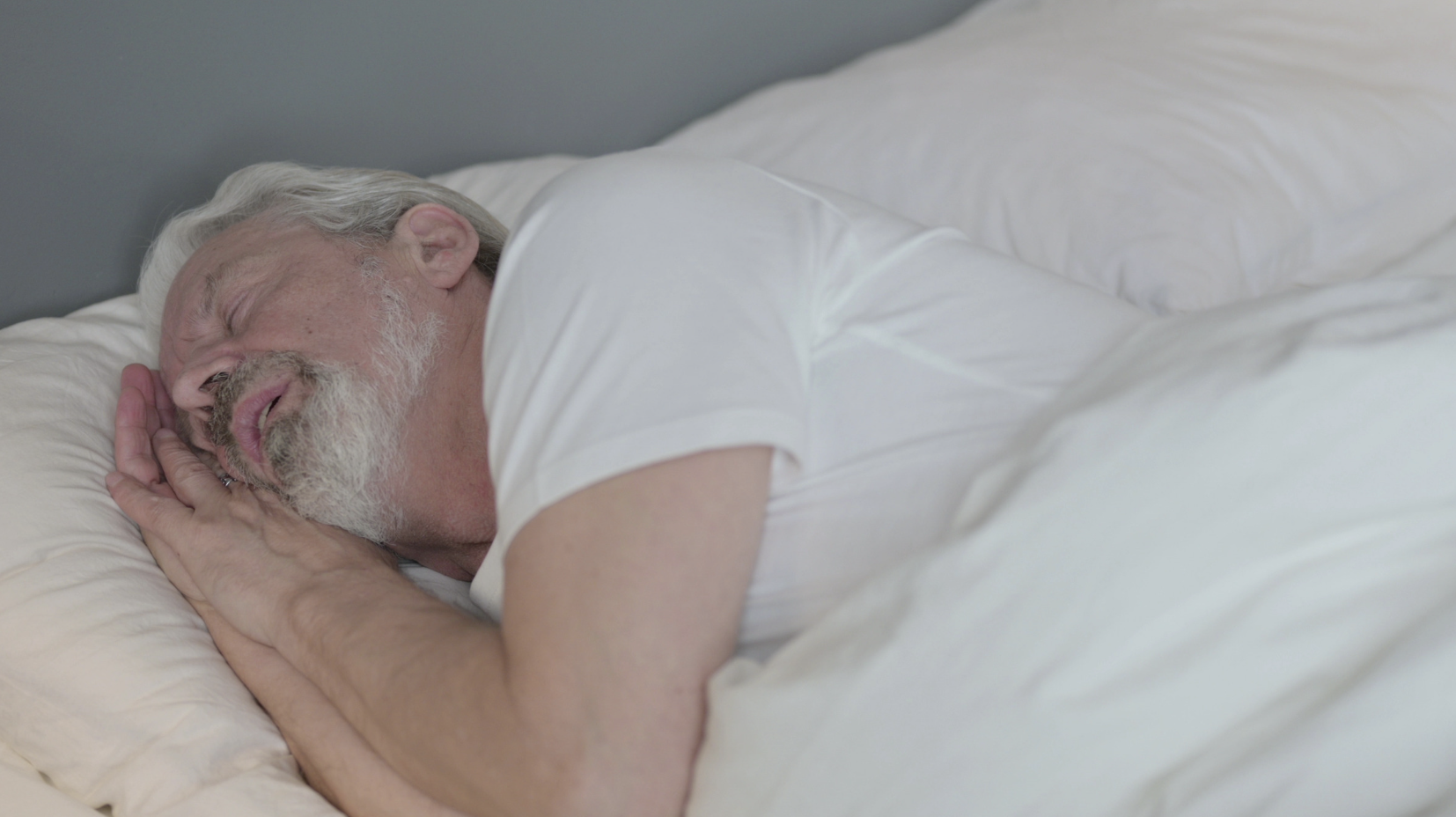
Myth: A Snoring Mouthguard Only Works If You Don't Sleep on Your Back
Sleeping on your back is one of the most common triggers for snoring and sleep apnoea - but it is also one of the most common sleep positions. The good news is that a mandibular advancement splint keeps working regardless of how you sleep. Here is why position matters for snoring, and why a well-fitted MAS handles it.

Sleep Apnoea & Mental Health: The Connection You Need to Know About
This World Mental Health Day, one of the most overlooked contributors to depression, anxiety, and cognitive decline in Australia deserves a closer look. Untreated obstructive sleep apnoea affects not just the body - it profoundly disrupts the brain. Here is what the research shows, and why treating your sleep could be the most important thing you do for your mental health.
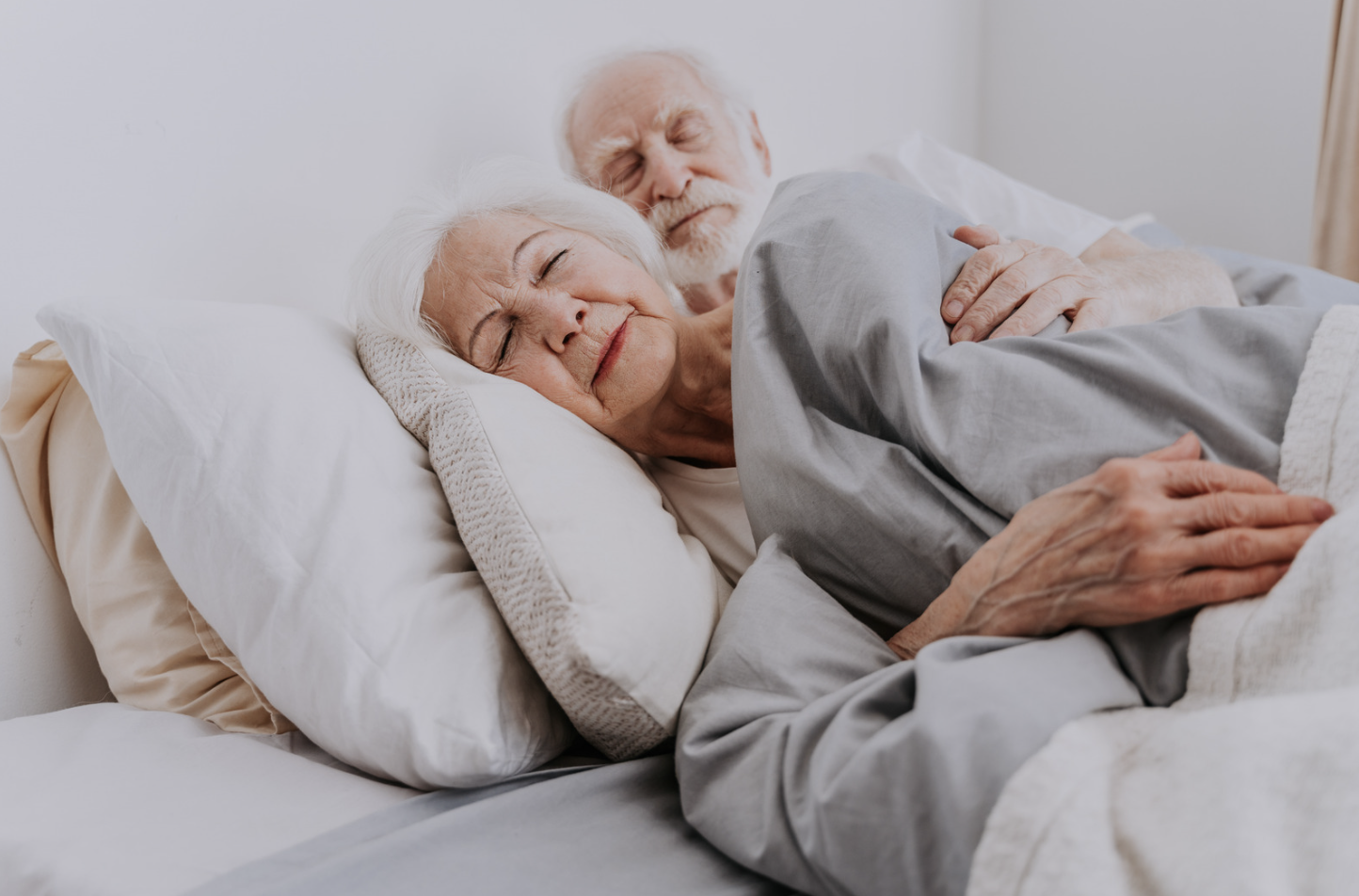
Sleep Apnoea in Older Australians: The Most Underdiagnosed Condition Affecting Quality of Life
Sleep apnoea affects approximately 1 in 3 older Australians, but most of them have never been diagnosed. This International Day of Older Persons, here is what families, carers, and older adults themselves need to know about sleep apnoea, why it is so easy to miss with age, and why treating it matters far more than most people realise.
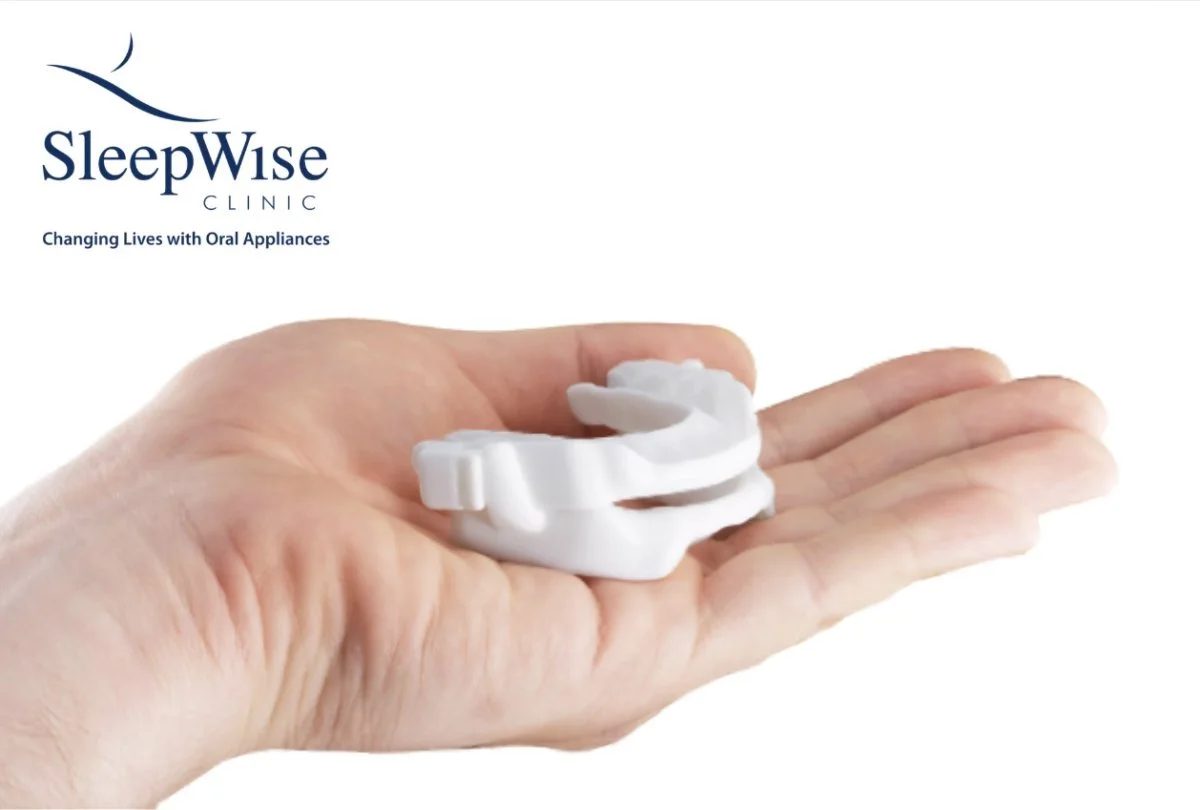
Mandibular Advancement Splint: How It Works and Who It May Suit
Learn how a mandibular advancement splint works for sleep apnoea and snoring. Discover suitability, custom fitting, and what to expect at your assessment.
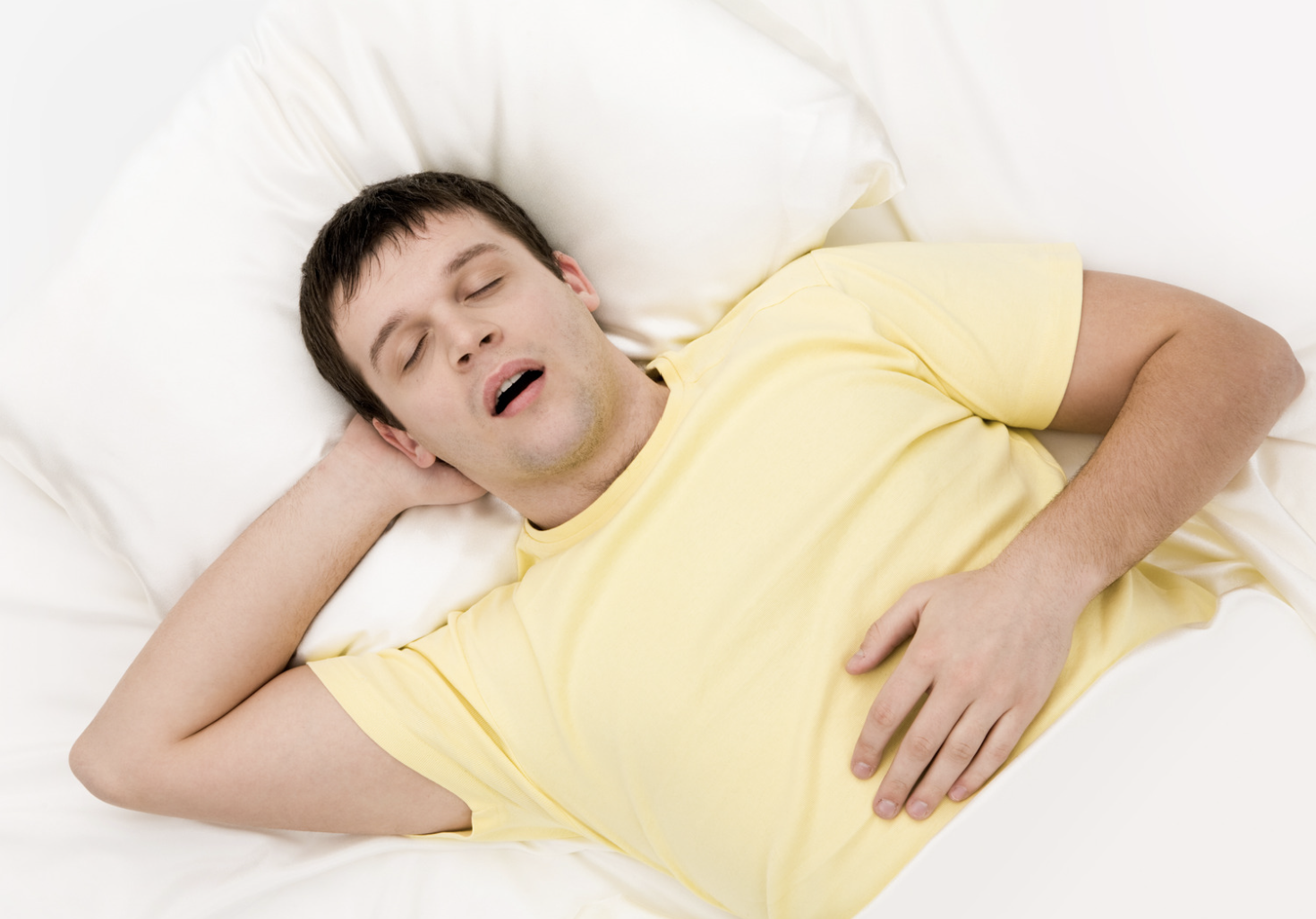
How To Stop Snoring?
Is snoring something you can cure, or just manage? The honest answer depends on what's causing it. We break down when lifestyle changes are enough, why a custom oral appliance outperforms pharmacy devices, and the one question you need to answer before starting any treatment.
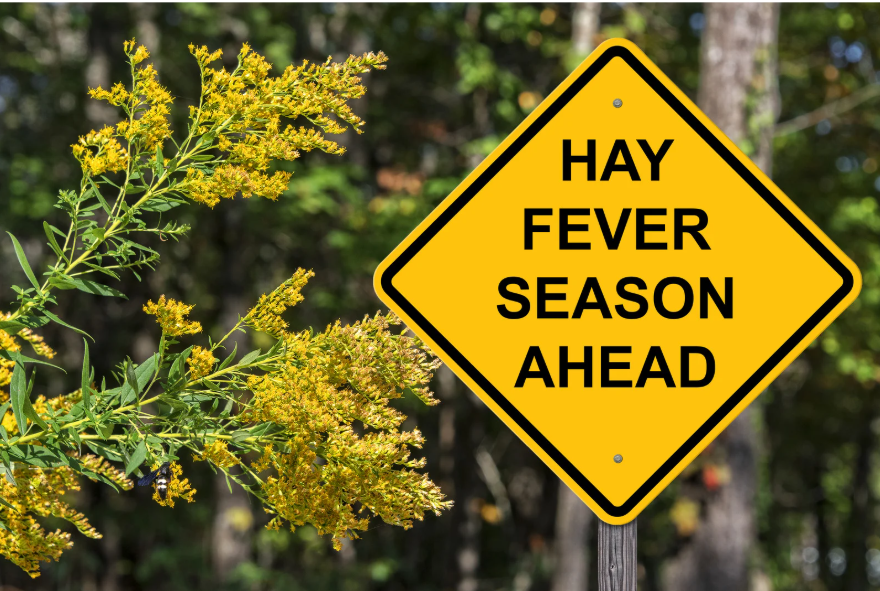
Does Hayfever Make My Snoring Worse?
If your snoring gets noticeably worse during hayfever season, you're not imagining it. Nasal congestion from allergies forces you to breathe through your mouth overnight, which is one of the most common triggers for louder, more disruptive snoring. We explain the connection and what you can do about it - from managing the allergy itself to treatment options for snoring that doesn't resolve once the season passes.
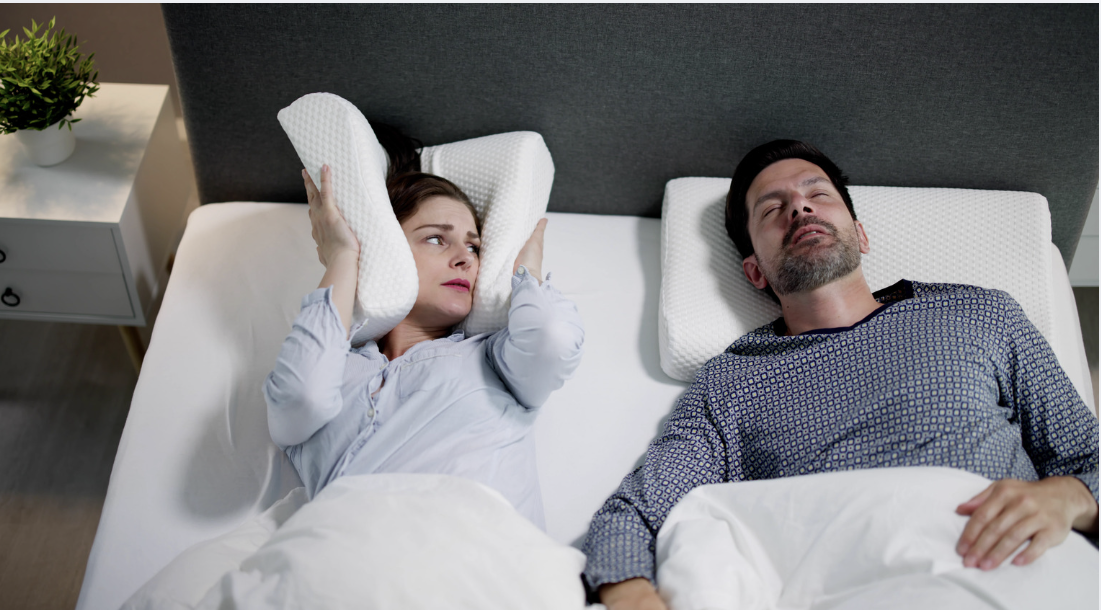
My Partner Snores And I Can’t Sleep
If you're lying awake next to a snoring partner, you're probably either frustrated, worried, or both, and both reactions are worth taking seriously. We break down the real health risks behind chronic snoring, how to tell when it might be obstructive sleep apnoea, and how a custom snoring mouthguard can help both of you sleep soundly again.
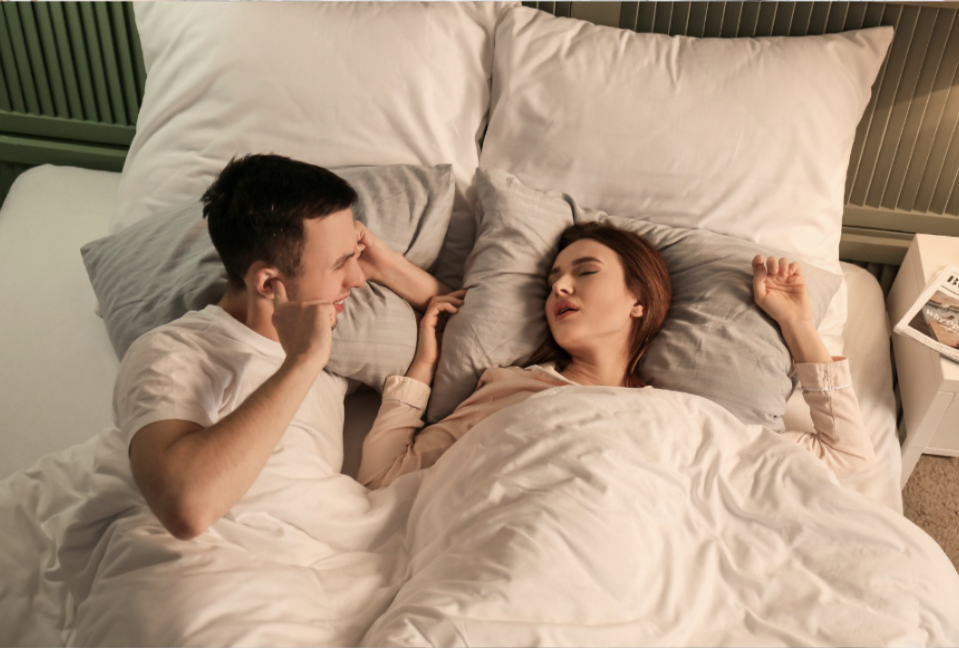
Why Has My Snoring Suddenly Become Worse?
If your snoring has suddenly become louder, more frequent, or is causing more disruption than it used to, something has likely changed. Snoring rarely worsens without a reason. Here are the most common triggers - and the signs that it's time to get properly assessed.
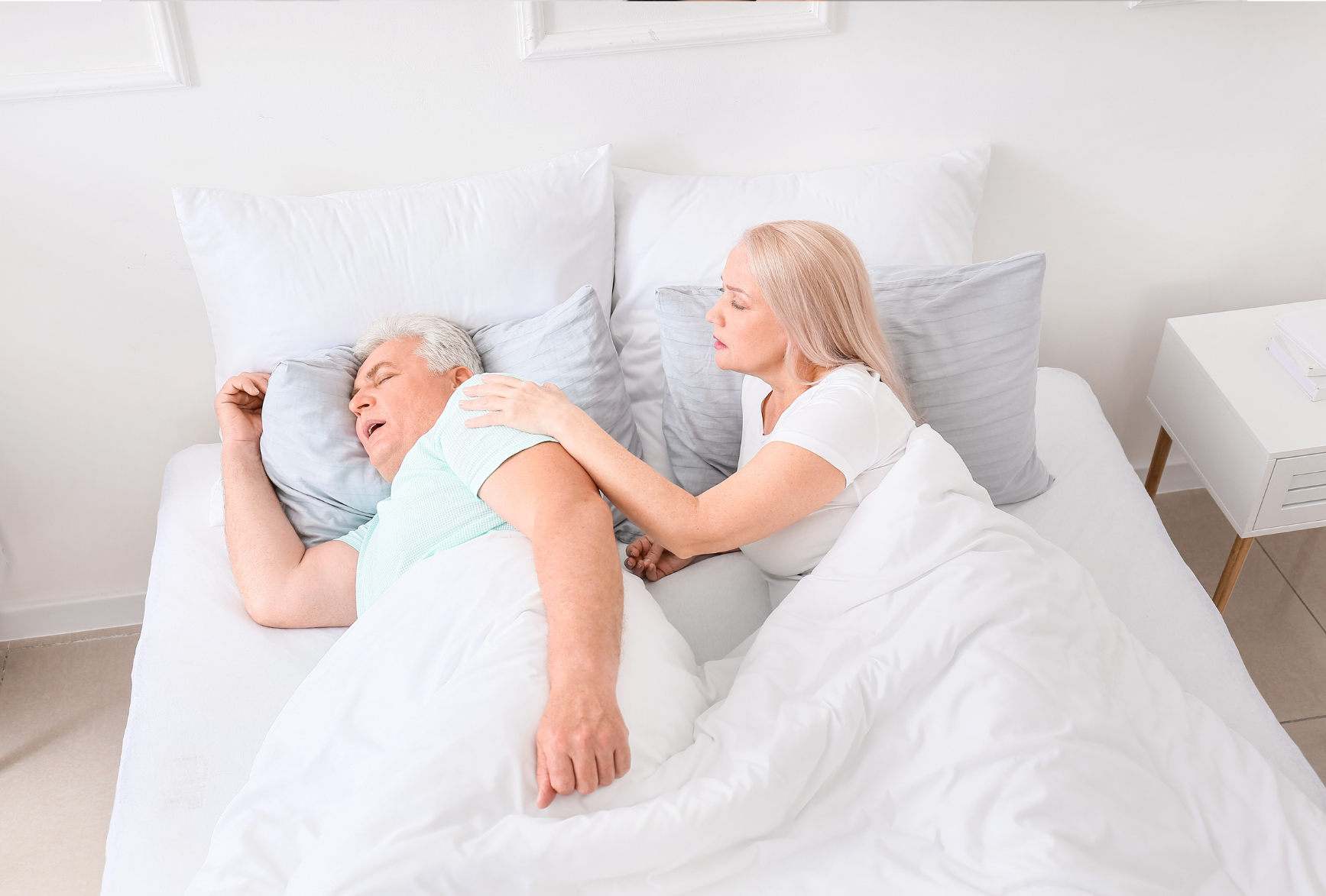
Is Sleep Apnoea Dangerous If Left Untreated?
Untreated sleep apnoea is one of the most underestimated health risks in Australia. Most people who have it don't know — and many who suspect it put off doing anything about it. Here's what happens to the body when sleep apnoea goes untreated, and why getting diagnosed and treated is one of the most important things you can do for your long-term health.
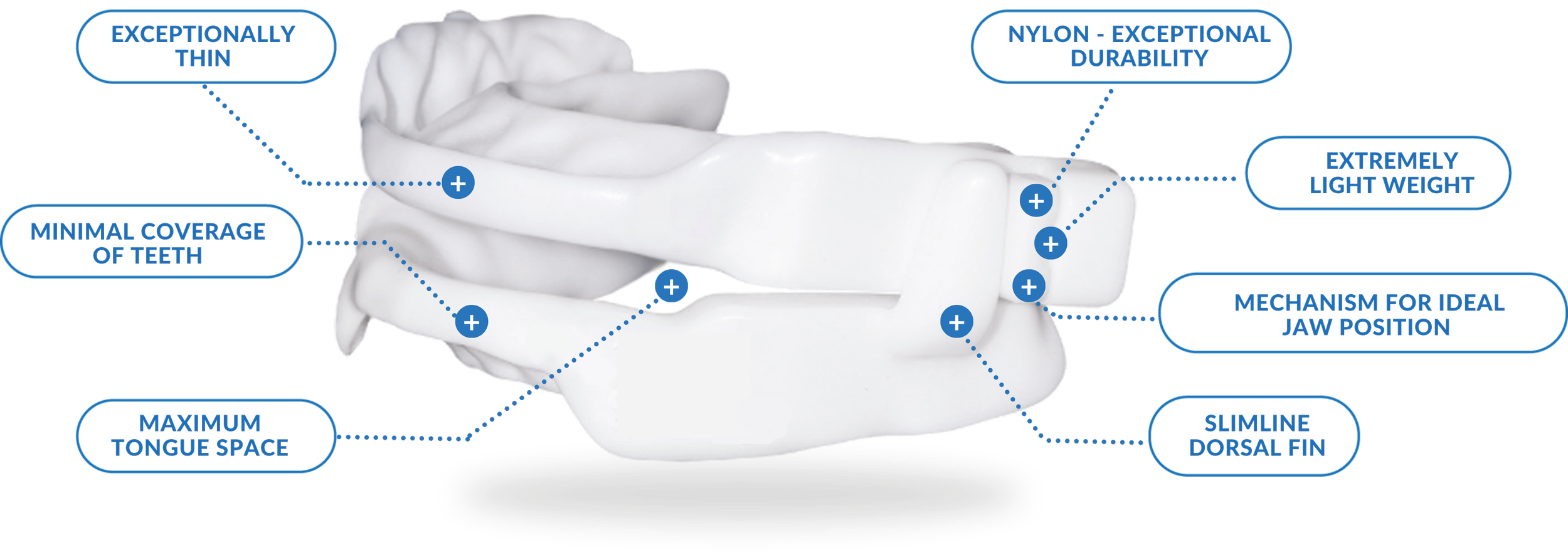
Can a Dental Mouthguard Stop Snoring?
A dental device for snoring - also called a mandibular advancement splint or dental sleep mouthguard - is one of the most reliably effective treatments available for snoring and mild to moderate sleep apnoea. For many people, it is the solution they've been looking for. Here's how it works and whether it might work for you.
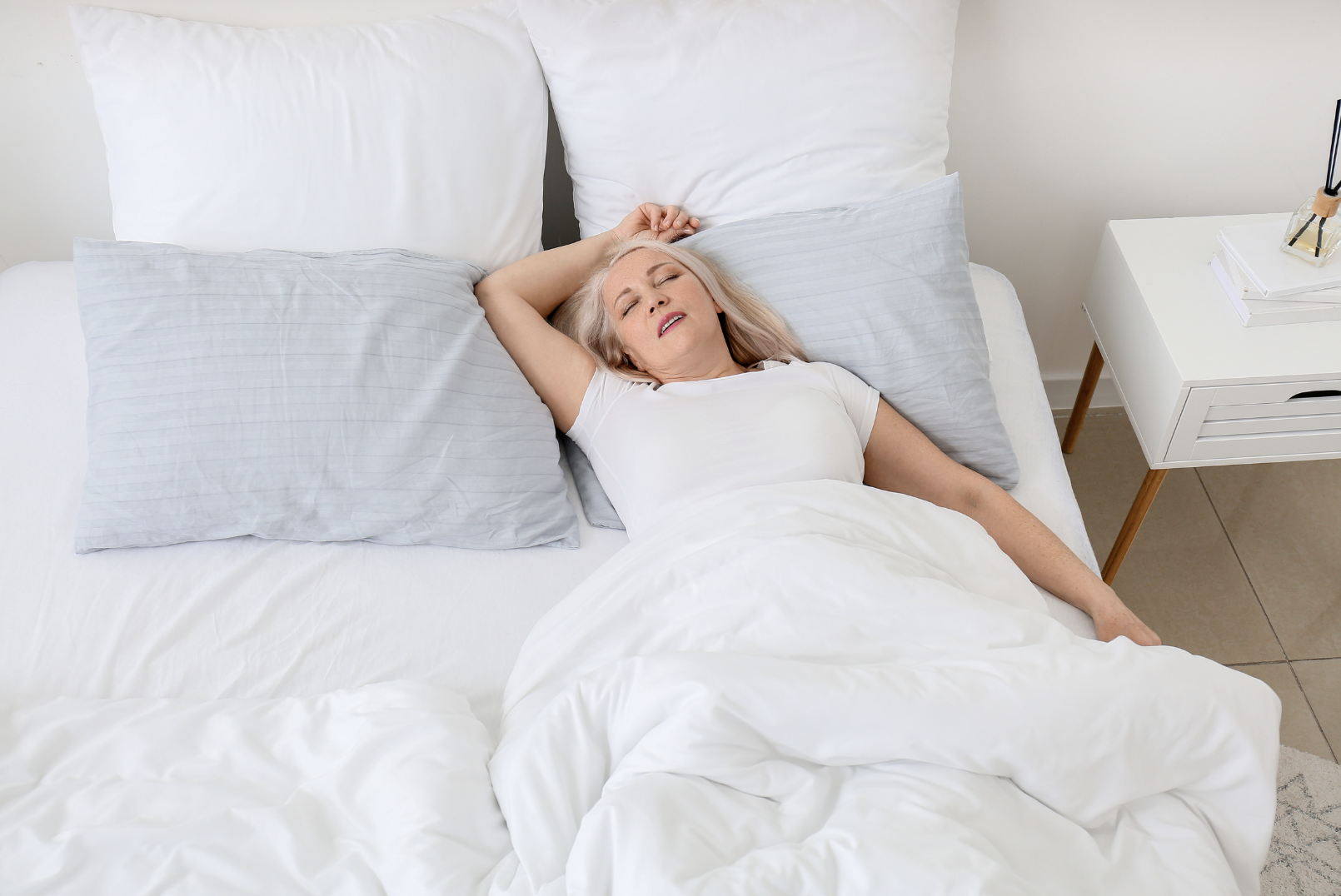
Why Am I Snoring More In Perimenopause?
If you've never really snored before but find yourself waking your partner — or yourself — as you move through your forties and into perimenopause, you are far from alone. The hormonal changes of perimenopause have a direct and well-documented effect on the upper airway, and for many women, snoring or newly diagnosed sleep apnoea is one of the most disruptive — and least expected — changes of this life stage.

What Treatments work for Snoring?
With so many snoring treatments on the market — nasal strips, mouth tape, sprays, positional gadgets — it can be hard to know where to start. The truth is that different anti-snoring treatments work for different people, because snoring has different causes. Here's how to cut through the noise and find the solution that's right for your situation.
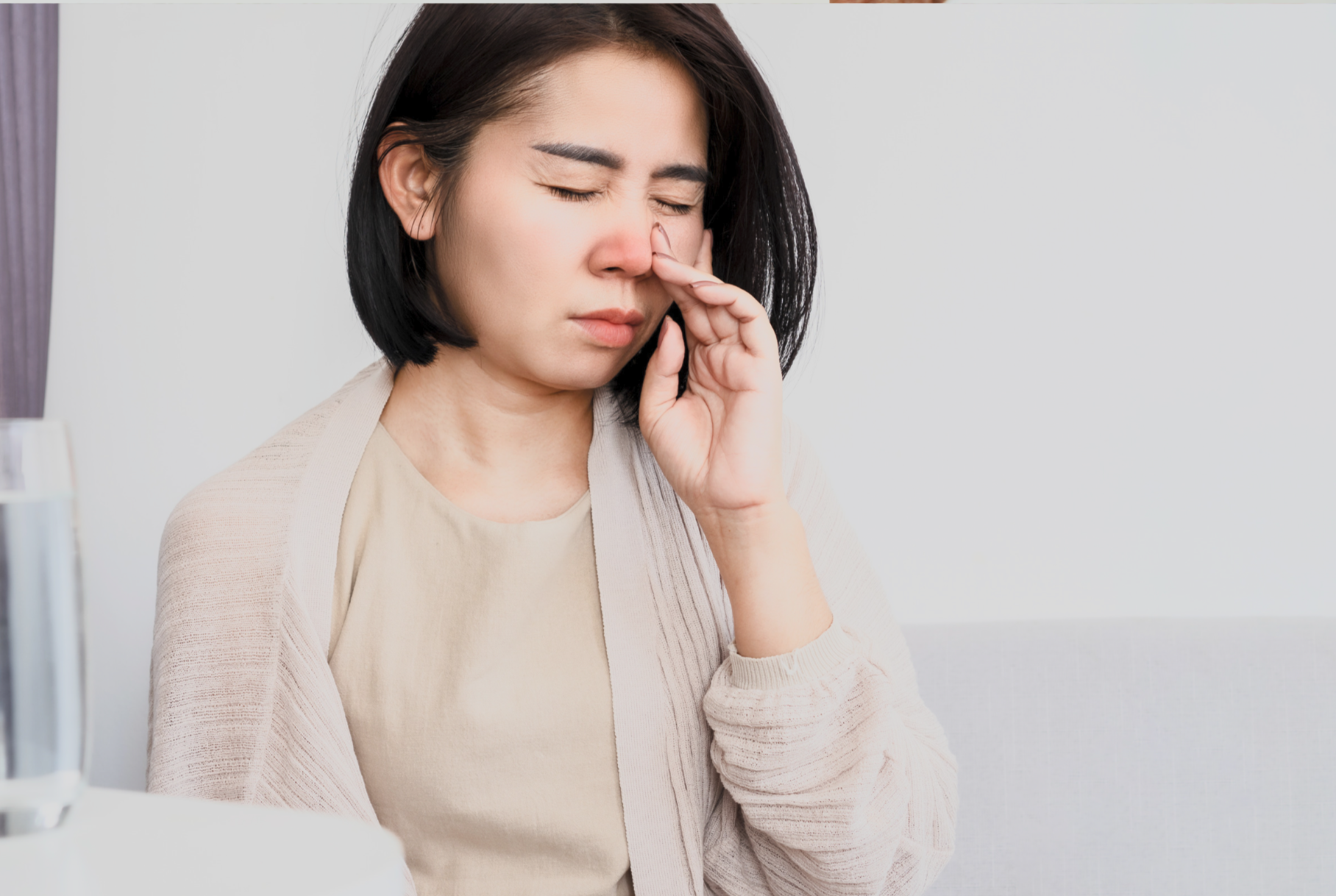
Dry Air, Blocked Noses, and Broken Sleep
A stuffy nose might seem like a minor winter inconvenience, but for your airway during sleep, nasal obstruction has consequences that go well beyond a bit of sniffling. From forced mouth breathing to worsened sleep apnoea, here's how a blocked nose disrupts your sleep and what you can do to breathe easier this winter.
How to Stop Snoring. Effective Snoring Solutions and Treatment Options
If you're searching for ways to stop snoring, you're far from alone. Snoring affects millions of Australians and is one of the most common reasons people seek help from sleep medicine clinicians. The encouraging news is that there are highly effective solutions, from straightforward lifestyle changes through to clinically proven medical treatments. Here's a comprehensive guide to the snoring solutions that actually work.

Snoring Is Worse In Winter. Why?
If your snoring seems louder, more frequent, or harder to ignore every winter, you're not imagining it. A combination of dry indoor air, nasal congestion, increased alcohol consumption, reduced exercise, and winter weight gain all conspire to worsen snoring in the colder months. Here's what's happening — and what to do about it.
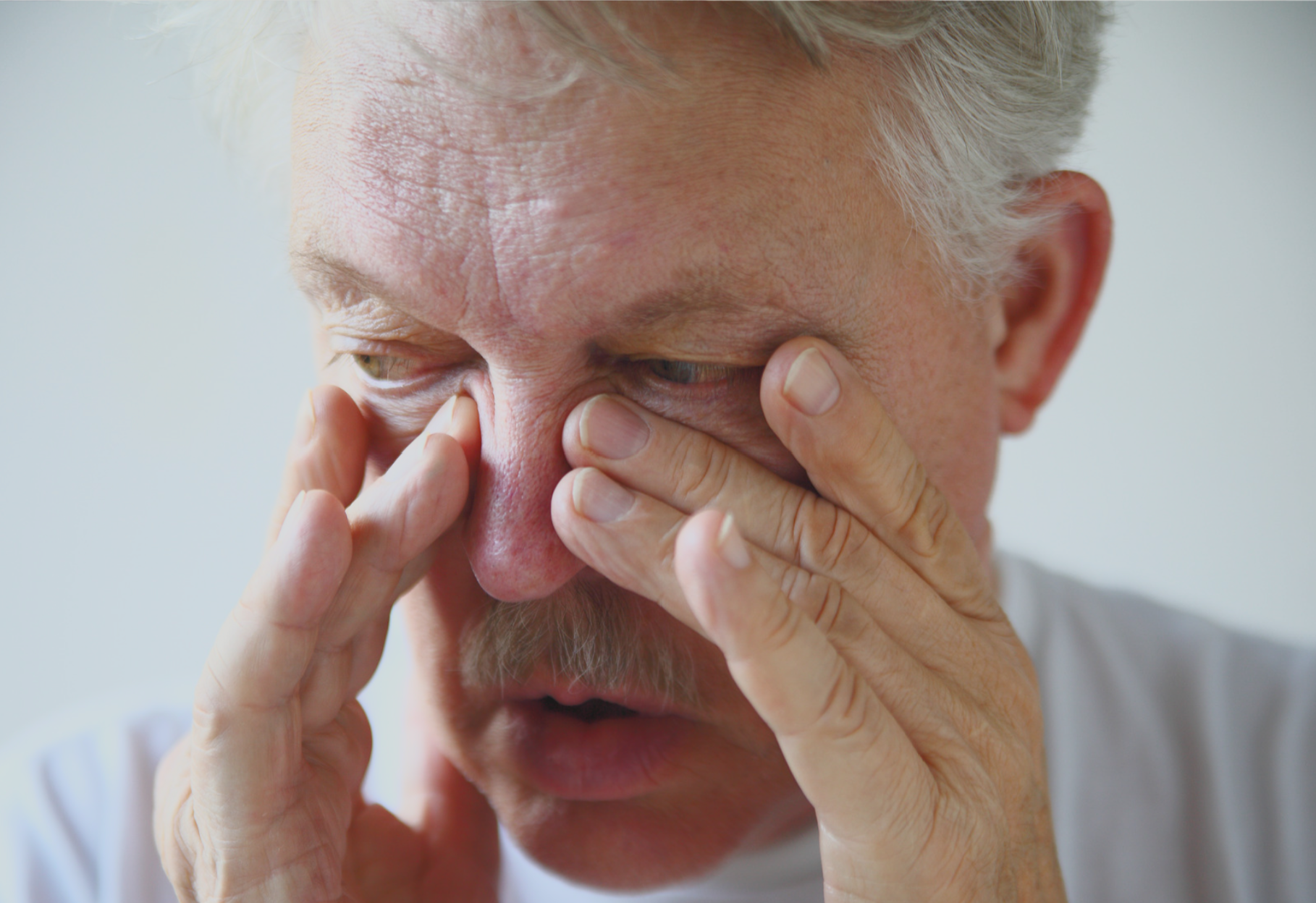
Why a Blocked Nose Makes CPAP So Hard, And Why a Dental Splint May Be the Answer
CPAP therapy depends on one thing above almost all others: the ability to breathe through your nose. So what happens when your nose is blocked? For millions of Australians dealing with winter colds, sinus issues, or allergies, nasal congestion turns CPAP from a manageable nightly routine into an exhausting battle — and for many, it becomes the breaking point that leads to abandoning treatment altogether. Here's why a mandibular advancement splint could be the answer.

How Science Helps With Jet Lag
Jet lag isn’t something you can simply ignore. It’s a physiological response to rapid time zone changes that disrupt your body’s internal clock, affecting sleep quality, alertness, and daytime energy. While it can feel unavoidable, there are evidence-based strategies that can help your body adjust more efficiently.
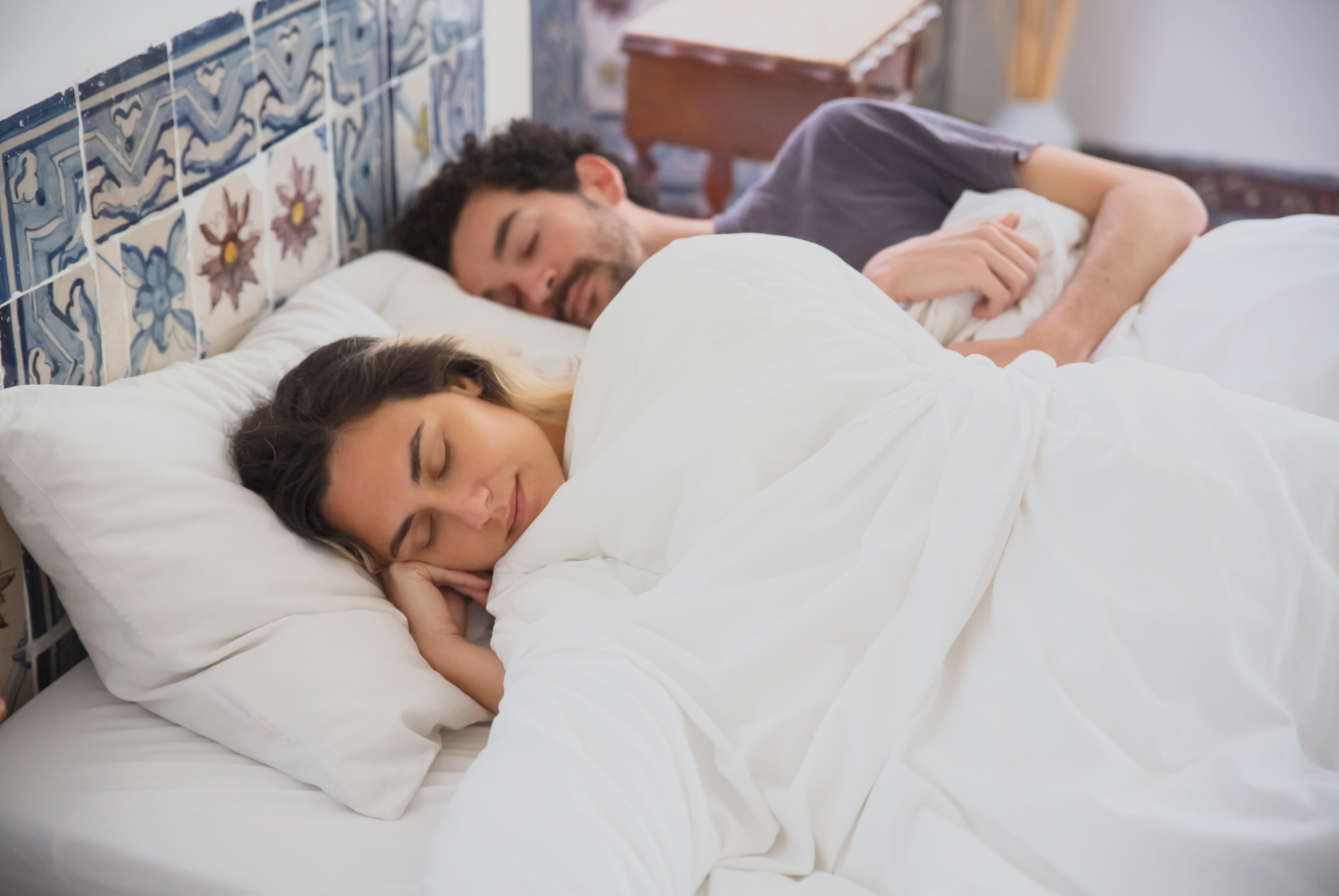
Why Sleep Is Your Best Defence This Winter
Winter is cold and flu season, but most Australians are overlooking their single most powerful immune defence: sleep. Research shows that sleeping fewer than six hours per night makes you more than four times more likely to catch a cold, reduces the effectiveness of flu vaccinations, and triggers chronic inflammation that undermines long-term health. Here's what the science says, and what to do about it.

Long-Term Health Risks of Snoring and Obstructive Sleep Apnoea
Most people think of snoring as an inconvenience - an embarrassing nighttime habit that disrupts a partner's sleep. The research tells a far more serious story. Chronic snoring, and particularly the condition it most commonly signals - obstructive sleep apnoea - carries significant long-term health risks that extend well beyond the bedroom. Here's what the evidence shows, and why getting the right treatment matters more than most people realise.