
Why Sleep Is Your Best Defence This Winter
As the temperature drops and the sniffles begin circulating through workplaces, schools, and households across Australia, most people reach for vitamin C, echinacea supplements, flu vaccinations, and hand sanitiser. But one of the most powerful tools for protecting yourself from winter illness costs nothing, requires no prescription, and most of us are simply not getting enough of it. The research on sleep and immunity is among the most compelling in modern medicine. This winter, it deserves your full attention.
Sleep Is When Your Immune System Gets to Work
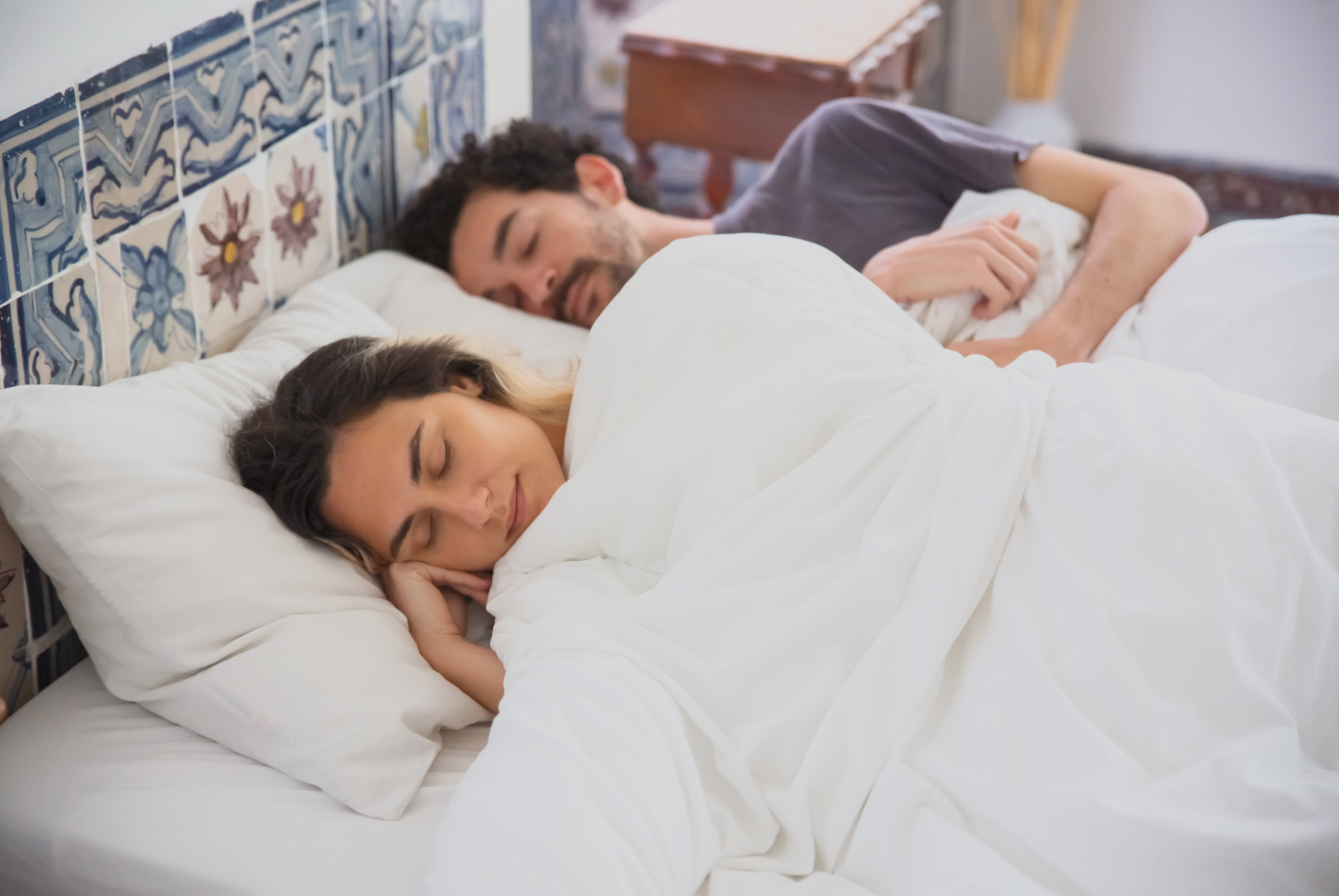
Sleep is not the passive, quiet state it might appear to be. While you rest, your body is engaged in a highly active set of biological processes, and your immune system is among the most industrious participants. According to Healthdirect Australia, sleep plays a critical role in keeping the immune system strong, alongside its functions of tissue repair, memory consolidation, and hormonal regulation.
The Sleep Health Foundation confirms this, noting that sleep helps regulate the immune system, and that consistently sleeping fewer than five and a half hours per night is enough to measurably impair your immune defences.¹ The mechanism involves cytokines - small signalling proteins that direct the immune response. During sleep, the body increases production of certain pro-inflammatory cytokines that are essential for fighting infection and promoting healing. Research published in PMC confirms that sleep enhances the efficiency of immune responses by promoting cytokine production and supporting T-cell activity - the white blood cells responsible for identifying and destroying viruses and bacteria.² When sleep is curtailed, this cytokine production is disrupted, leaving the immune system less equipped to mount an effective response.
The Cold Hard Numbers: Less Sleep Means More Illness
If you need a single statistic to motivate an earlier bedtime this winter, this is it. A landmark study published in the journal Sleep by researchers at the University of California, San Francisco and Carnegie Mellon University exposed 164 healthy adults to the common cold virus after objectively monitoring their sleep for one week. The results were striking: people who slept fewer than six hours per night were more than four times more likely to develop a cold than those who slept seven hours or more. Those who slept fewer than five hours were 4.5 times more likely to get sick.³
Critically, sleep was the strongest predictor of cold susceptibility in the entire study, outperforming stress levels, age, smoking status, income, and race. "It didn't matter how old people were, their stress levels, their race, education or income," lead researcher Dr Aric Prather noted. "With all those things taken into account, statistically sleep still carried the day."³ Approximately 39% of those sleeping six hours or less developed a cold - compared to just 18% of those sleeping more than six hours. The difference is not subtle.
Sleep and the Flu Vaccine: Are You Getting the Full Benefit?
Here is something most Australians don't know before rolling up their sleeve for a flu shot: the amount of sleep you get in the days surrounding vaccination can directly affect how well the vaccine works. A meta-analysis published in Current Biology in 2023, drawing on seven studies examining sleep and vaccination against influenza and hepatitis, found that sleeping fewer than six hours per night in the days surrounding vaccination resulted in a significantly blunted antibody response - meaning the vaccine produces less protective immunity in sleep-deprived recipients.⁴
This finding has important practical implications. Getting a flu vaccination is one of the most effective things you can do to reduce your risk of influenza this winter - but maximising its benefit requires being adequately rested both before and after the jab. A review published in Frontiers in Cellular and Infection Microbiology also found that short sleep duration on the two nights before influenza vaccination was associated with lower antibody titers one and four months after vaccination - a lasting effect on protection.⁵
The Role of Inflammation: When Poor Sleep Backfires
One of the most important, and counterintuitive, findings in sleep and immunity research is that sleep deprivation doesn't simply weaken the immune system. It dysregulates it, triggering a state of chronic low-grade inflammation that can be as damaging as insufficient immune activity. A review published in Communications Biology found that sleep deprivation is associated with immune-inflammatory cascades - including the upregulation of pro-inflammatory cytokines such as IL-6, IL-1β, and TNF-α - that contribute to the development and worsening of chronic diseases over time.⁶
This chronic inflammatory state is the link between poor sleep and conditions such as heart disease, type 2 diabetes, and metabolic syndrome, conditions that are themselves associated with impaired immune function and greater vulnerability to severe infection. In the context of winter illness, it means that chronically poor sleepers don't just catch more colds, they tend to experience more severe symptoms and longer recovery times.
Sleep Apnoea, Fragmented Sleep, and Immune Vulnerability
It is important to note that it is not only sleep duration that matters. Sleep quality and continuity are equally significant for immune health. Fragmented sleep, in which the normal architecture of sleep cycles is repeatedly disrupted, impairs immune function even when total sleep time appears adequate. This is particularly relevant for the estimated one in five Australian adults living with untreated obstructive sleep apnoea - a condition in which the airway repeatedly collapses during sleep, causing arousals that fragment the sleep cycle throughout the night.
People with untreated sleep apnoea may spend eight hours in bed and still wake up immunologically depleted, because the quality of their sleep is so profoundly disrupted. If you snore, wake unrefreshed, or feel excessively tired during the day despite adequate time in bed, this winter is an excellent time to investigate whether sleep apnoea may be undermining not just your energy levels, but your immune resilience.
Practical Steps to Sleep Your Way to Better Immunity This Winter
The Sleep Health Foundation and Healthdirect Australia both recommend consistent sleep hygiene as the foundation of good sleep health. Practical steps include maintaining a consistent sleep and wake time seven days a week, avoiding alcohol and caffeine in the hours before bed, limiting screen use in the bedroom and in the hour before sleep, keeping the bedroom cool, dark, and quiet, and aiming for seven to nine hours of sleep per night as recommended by the American Academy of Sleep Medicine.²
If you are getting adequate hours of sleep but still waking unrested, snoring regularly, or struggling with daytime fatigue, the problem may be sleep quality rather than duration - and that is worth investigating with a dental sleep medicine clinician.
The Bottom Line
This winter, alongside your flu shot, your vitamin D, and your handwashing, prioritise your sleep. The science is unambiguous: sleep is not a passive recovery state but an active immune process and shortchanging it leaves you meaningfully more vulnerable to the viruses circulating in the community around you. Seven or more hours of quality, uninterrupted sleep per night is one of the most evidence-based, cost-free health interventions available.
If you snore regularly or suspect you may have sleep apnoea, call SleepWise Clinic on 1300 101 505, because protecting your immunity this winter starts with protecting the quality of your sleep.
Request for references 1. Sleep Health Foundation. 2. Huang Y et al. (2024). 3. Prather AA et al. (2015) 4. University of Chicago Medicine. (2023) 5. Kopp A et al. (2023) 6. Garbarino S et al. (2021)