How Jet Lag Worsens Snoring and Sleep Apnoea
We all know the feeling. A fantastic holiday, great memories, and time away to reset - then reality returns as routines restart. If you’ve travelled across time zones, that return can feel even tougher with jet lag lingering in the background. Many people are returning to work feeling more tired than expected. Long flights, time zone changes, and disrupted sleep schedules can leave lingering jet lag - and for people who snore or live with obstructive sleep apnoea (OSA), this period can be particularly challenging.
Understanding how jet lag affects breathing during sleep can help explain why symptoms often feel worse just as normal life resumes.
The Science of Jet Lag
Jet lag occurs when your circadian rhythm, which is your internal body clock that regulates sleep, hormones, and alertness, is out of sync with local time after travel. Until your body adjusts, sleep is often lighter, more fragmented, and less restorative. This mismatch can persist for days after you’re home, even once work and daily responsibilities have restarted. Read more about this in our article What is Jet Lag.
Why Jet Lag Worsens Snoring and OSA
Jet lag doesn’t just cause tiredness - it can directly affect airway stability and sleep quality.
Increased sleep pressure
After travel-related sleep disruption, the body tends to push into deeper stages of sleep once you finally rest. Snoring and apnoea events are often more pronounced in deep sleep due to reduced muscle tone in the airway.
Circadian rhythm disruption
Breathing patterns and upper airway muscle control are influenced by circadian rhythms. When these rhythms are unsettled, airway stability can weaken, increasing the likelihood of snoring or breathing pauses.
Fragmented sleep
Jet lag commonly causes frequent awakenings. For people with OSA, these awakenings may follow apnoea events, compounding fatigue and making mornings feel especially heavy, just when early starts and work demands return.
Holiday coping habits
Alcohol used to “wind down” after travel or sedatives taken to fall asleep can worsen snoring and apnoea. Excess caffeine or sugary snacks to push through workdays can then delay sleep onset, prolonging the cycle.
Changes in sleep position
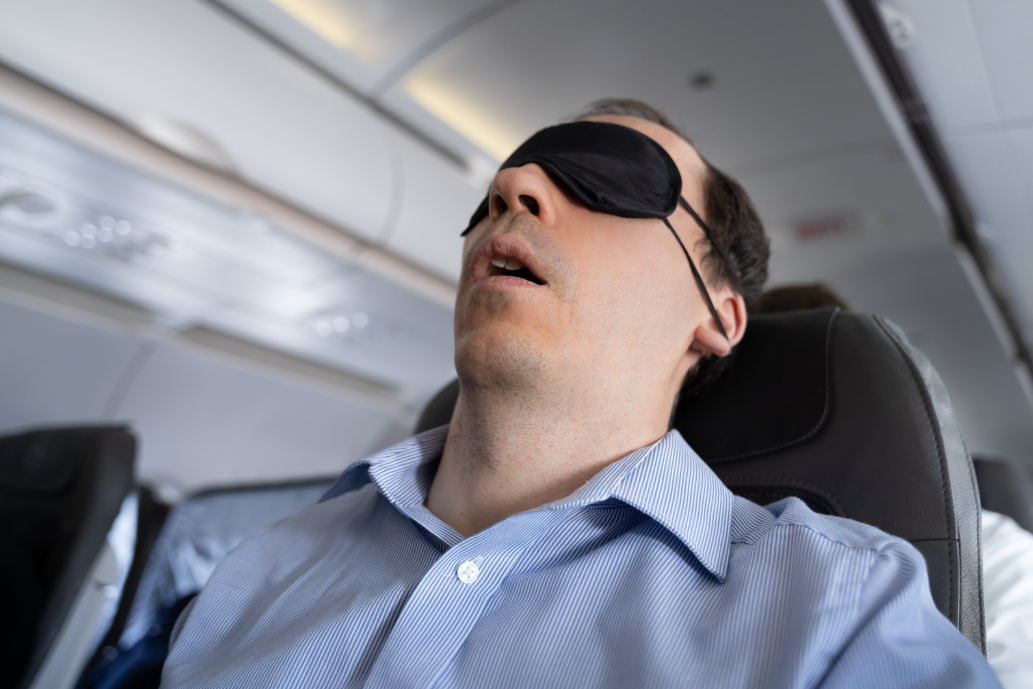
Sleeping upright on planes or spending more time on your back in unfamiliar beds can increase airway collapse and snoring, with effects lingering after travel ends. Not to mention the mandatory sore necks and backs while trying to catch some sleep on the flight!
When to Consider a Sleep Review with your SleepWise Sleep Medicine Dentist?
If returning from holidays brings renewed or worsening symptoms - such as loud snoring, choking or gasping during sleep, breathing pauses, or persistent daytime tiredness - it may be a sign that your sleep and sleep appliance needs reassessment. Your SleepWise Sleep Medicine Dentist can guide small, careful adjustments to bring your lower jaw slightly further forward during periods of increased need, helping to maximise the effectiveness of your sleep appliance.
So..... Don't Cross Time Zones For A Holiday?
No, the answer isn’t to avoid crossing time zones on holiday. Travel is part of life. The key is knowing what you’re up against and planning for it.
Jet lag isn’t just a holiday inconvenience. As routine resumes, its effects can linger - particularly for people who snore or live with obstructive sleep apnoea. Disrupted body clocks, deeper rebound sleep, and fragmented nights can all contribute to increased snoring, poorer sleep quality and ongoing fatigue. Using your SleepWise sleep appliance consistently during this period can help support more stable breathing and better-quality rest as your body readjusts. Further adjusting your sleep appliance can also help in this challenging time.
Does it sound like it's time to book in a review with a SleepWise Sleep Medicine Dentist? If the answer is yes, click here to book your appointment today!