How Does CPAP Work for Sleep Apnoea?
If you've recently been diagnosed with obstructive sleep apnoea (OSA), chances are CPAP therapy has already come up in conversation. It's the most widely prescribed treatment for sleep apnoea worldwide, but for many patients, understanding exactly how it works, and whether it's the right fit for them, takes a little more unpacking. Here's everything you need to know.
What Is CPAP?
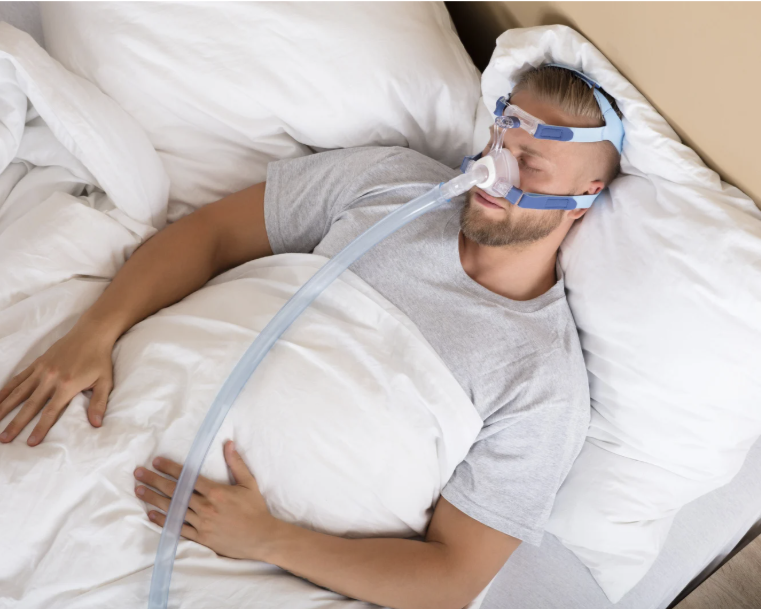
CPAP stands for Continuous Positive Airway Pressure. It is a medical device that delivers a continuous, gentle stream of pressurised air through a mask worn over the nose or mouth during sleep. This steady flow of air acts as a pneumatic splint essentially keeping the airway open by preventing the soft tissues at the back of the throat from collapsing inward.
It is this collapse of soft tissue including the base of the tongue and the walls of the throat - that causes obstructive sleep apnoea. When the airway narrows or closes completely, breathing is disrupted, oxygen levels drop, and the brain is forced to rouse the body just enough to restore normal breathing. This cycle can occur dozens, sometimes hundreds of times per night, often without the person ever being aware of it. Sometimes, sleep apnoea sufferers can be asymptomatic too.
How Does CPAP Treat Sleep Apnoea?
CPAP therapy eliminates obstructive sleep apnoea events by maintaining continuous positive pressure in the airway throughout the night. Unlike oral appliances, which reposition the jaw to physically open the airway, CPAP works pneumatically - using pressurised air to hold the airway open regardless of muscle relaxation or body position. Imagine blowing into a balloon to inflate it - that’s what the CPAP does to keep your airway open.
The pressure delivered by a CPAP machine is prescribed by a sleep physician following a sleep study, and is calibrated to the level required to prevent airway collapse in that individual patient. Many modern CPAP machines are auto-titrating (APAP), meaning they automatically adjust the pressure delivered throughout the night in response to changes in breathing, providing only the pressure needed at any given moment, which improves comfort significantly.
What Are the Components of a CPAP Machine?
A standard CPAP setup consists of three main components. The machine itself houses the motor that generates the pressurised airflow. A flexible tube connects the machine to the mask, which is worn over the nose, mouth, or both. Masks come in a range of styles - nasal pillows, nasal masks, and full-face masks - allowing patients to find the option that suits their anatomy and sleeping position best.
Most modern CPAP machines also include a humidifier, which adds moisture to the pressurised air to reduce dryness and irritation of the nose and throat which one of the most common comfort complaints among new CPAP users.
How Effective Is CPAP for Sleep Apnoea?
When used correctly and consistently, CPAP is widely regarded as the most effective treatment available for moderate to severe obstructive sleep apnoea. It reliably eliminates apnoea events, normalises blood oxygen levels, and - for patients who adapt to it successfully - delivers dramatic improvements in sleep quality, daytime energy, and long-term health outcomes.
Treating sleep apnoea with CPAP has also been shown to significantly reduce the risk of serious associated health conditions, including heart disease, stroke, high blood pressure, and type 2 diabetes. For patients with severe sleep apnoea in particular, CPAP remains the gold standard treatment.
What If I Can't Tolerate CPAP?
CPAP intolerance is one of the most common challenges in sleep apnoea treatment. Wearing a mask every night takes getting used to, and a significant number of patients find it uncomfortable, claustrophobic, or disruptive -particularly when travelling or sleeping away from home. Studies suggest that long-term CPAP compliance rates are lower than ideal, with many patients abandoning therapy within the first year.
For CPAP-intolerant patients, a custom oral appliance - also known as a mandibular advancement splint - offers a highly effective and far more comfortable alternative. Clinically proven to be over 92% effective in treating sleep apnoea, oral appliances are small, silent, and require no mask, no machine, and no power source. For many patients, switching to an oral appliance is the turning point that finally makes consistent treatment possible. Read more about whether you may be suited for an oral appliance.
The most important thing is that you're treated. Untreated sleep apnoea carries serious, well-documented health risks and effective options exist for every type of patient. You can read more about CPAP treatment and CPAP alternatives on our SleepWise website.
Call SleepWise Clinic on 1300 101 505 and speak with a SleepWise Treatment Coordinator to discuss whether CPAP therapy or an oral appliance is the right path forward for you.