How to Check Your Sleep Quality
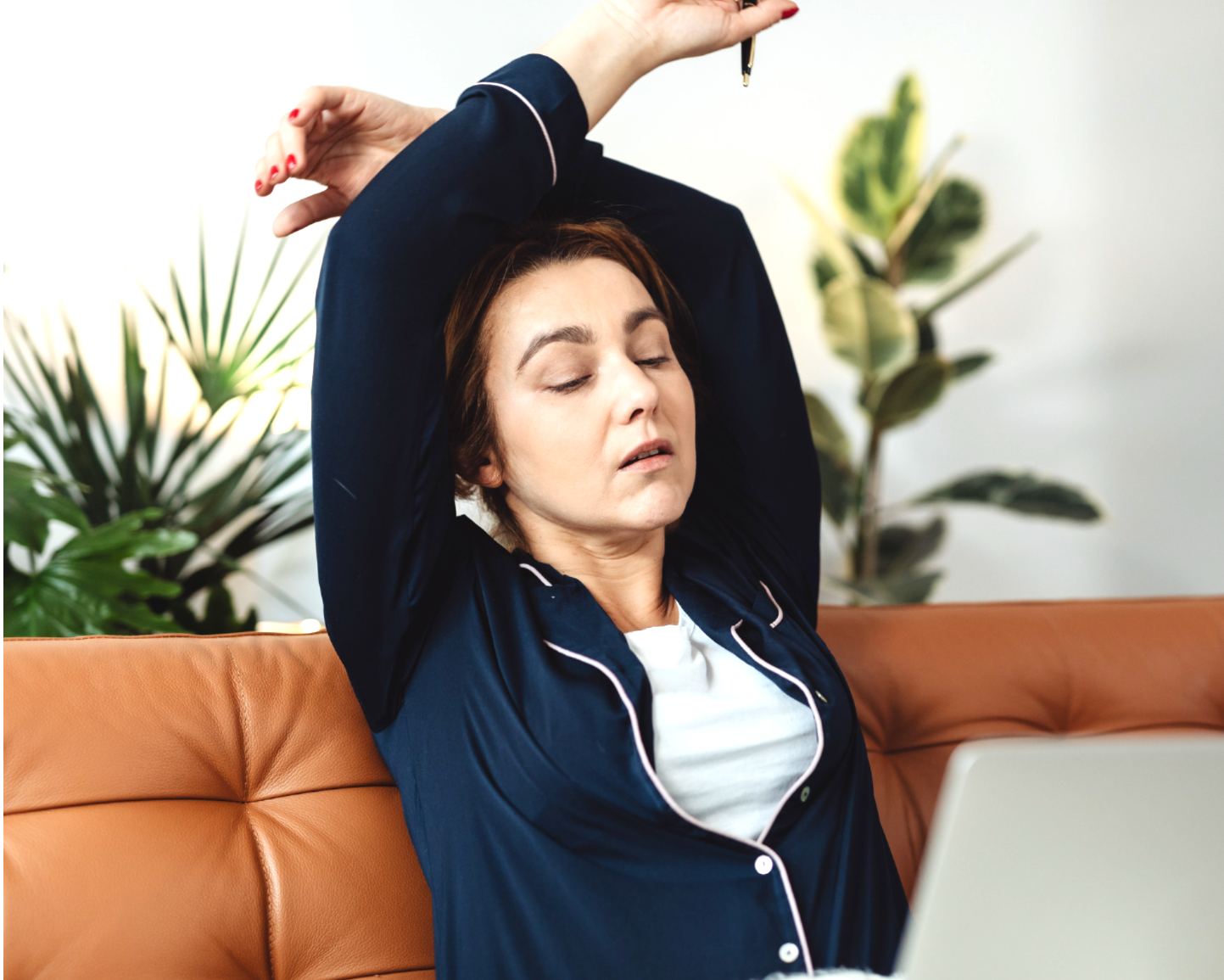
If you’re sleeping for long hours but still waking up tired, poor sleep quality may be the reason. Check how long it takes you to fall asleep (15–20 minutes is typical), how often you wake at night, and how you feel in the morning. Daytime fatigue, frequent yawning, and needing lots of coffee can also signal disrupted sleep.
Most people know sleep is important. But if you’re sleeping 8 – 10 hours and still waking up tired, it can be frustrating – and confusing. You might find yourself yawning all day, needing multiple coffees, craving sugary snacks, or even nodding off on the couch after dinner. Some people notice they struggle to stay alert in work meetings, or they start falling asleep while reading a bedtime story to their kids.
If that sounds familiar, it may not be about how many hours you’re in bed – it may be about poor sleep quality.
Here we have 4 simple checks to help you work out if you have a problem with your sleep quality.
#1: How long does it take you to fall asleep?
A helpful first clue is sleep onset time — how long it takes you to drift off once you’re in bed.
If you’re genuinely sleepy, it usually takes around 15–20 minutes to fall asleep.
If it often takes much longer, your routine, stress levels, bedroom environment, or bedtime timing may be working against you.
If you fall asleep instantly every night and feel exhausted during the day, it can sometimes suggest sleep debt.
#2: Are you waking during the night?
Next, pay attention to how often you wake up and how easily you return to sleep.
Ask yourself:
Do you wake up multiple times?
Do you feel like you’re sleeping lightly or restlessly?
Do you wake and struggle to fall back asleep?
Frequent waking can reduce restorative sleep stages, which can lead to feeling tired after waking up. Having difficulty returning to sleep can point to Obstructive Sleep Apnoea.
#3: How do you feel in the morning?
Morning energy is one of the clearest signs of sleep quality.
If you regularly wake feeling:
exhausted
foggy
heavy-headed
or like you could sleep for another two hours
…it’s a sign your sleep may not be as restorative as it should be – a common pattern behind searches like “why am I tired even after 8 hours of sleep?” In fact, you can read more about it here in our SleepWise Sleep Better Hub article: Why You Might Be Sleeping… But Still Feeling Tired..
#4: Track daytime symptoms (your body gives clues)
Poor sleep quality often shows up during the day. Keep track of:
Daytime fatigue or low energy
Yawning a lot (especially in meetings or while driving)
Needing 2–3 coffees to function
Craving sugar for energy
Irritability or low mood
Difficulty concentrating or keeping up in meetings
Falling asleep while reading, watching TV, or sitting still
Needing naps just to get through the day
If you have little ones, you may find yourself falling asleep while reading them a bed time story
If these symptoms happen regularly, it’s worth investigating — because tiredness isn’t always “just life.” Sometimes it’s a sign your sleep is being disrupted.
Improving Your Sleep Quality (simple, effective steps)
-
Aim for steady sleep and wake times. Regular rhythms support better sleep quality.
-
Give your body an “off-ramp” - quieter activities and lower stimulation in the final 30–60 minutes. Avoid alcohol 4 hours before bed.
-
Blue light and mental stimulation can delay sleep onset and reduce sleep quality.
-
A good bedroom is cool, dark, quiet, and comfortable. Small adjustments can make a big difference.
-
Regular exercise improves sleep drive - even just walking will make a difference!
-
Late heavy meals can affect sleep. Balanced meals during the day can stabilise energy and reduce late-night cravings.
When to consider sleep apnoea (and why it matters)
If you have loud snoring, wake unrefreshed, feel sleepy during the day, or need caffeine to function, it may be worth screening for obstructive sleep apnoea.
Take the SleepWise snoring and sleep apnoea test. A questionnaire can indicate risk, but diagnosing sleep apnoea requires a sleep study. Learn more about sleep studies. If snoring is a factor, explore: Snoring If you’re diagnosed with snoring, mild sleep apnoea or moderate sleep apnoea, you may be suitable for an oral appliance, not sure if it’s for you? Learn more here: Is an oral appliance right for me?
FAQ: Sleep Quality and Feeling Tired
-
You may be getting enough hours but not enough restorative sleep. Interrupted sleep cycles (from snoring, sleep apnoea, stress, or lifestyle factors) can reduce deep sleep and REM sleep, leaving you tired even after a full night.
-
If you’re genuinely sleepy, it usually takes around 15–20 minutes. Taking much longer may suggest poor sleep routine, stress, or factors that are interfering with sleep quality.
-
It can be. Frequent yawning, daytime fatigue, needing multiple coffees, or craving sugary snacks can be signs your sleep isn’t restorative.
-
Common signs include loud snoring, waking tired, morning headaches, daytime sleepiness, and difficulty concentrating. A good first step is the free SleepWise Sleep Apnoea online screening test
https://sleepwise.com.au/sleep-apnoea-test/ -
Yes. While weight can increase risk, sleep apnoea can occur in people of any body type due to airway anatomy, nasal obstruction, jaw position, or other factors.
-
A screening test like the SleepWise Sleep Apnoea screening test helps assess risk, but a sleep study is needed to confirm diagnosis and severity. From there, treatment options (including CPAP or oral appliance therapy) can be discussed.
Booking a consultation with SleepWise Clinic’s Sleep Medicine Dentists is the first step to better sleep. Our dentists are accredited by the Australasian Sleep Association and work closely with GPs, ENT surgeons and sleep physicians to ensure patients receive evidence-based care.
Prefer to speak with our team?
Book a no-obligation call to discuss your symptoms and next steps.