What Is a Sleep Study? Everything You Need to Know
If you've been told you snore loudly, wake up feeling exhausted despite a full night's rest, or have been witnessed gasping during sleep, a sleep study could be one of the most important health investigations you ever undergo. Yet for many Australians, it remains a misunderstood or overlooked tool. Here's what you need to know.
What Is a Sleep Study?
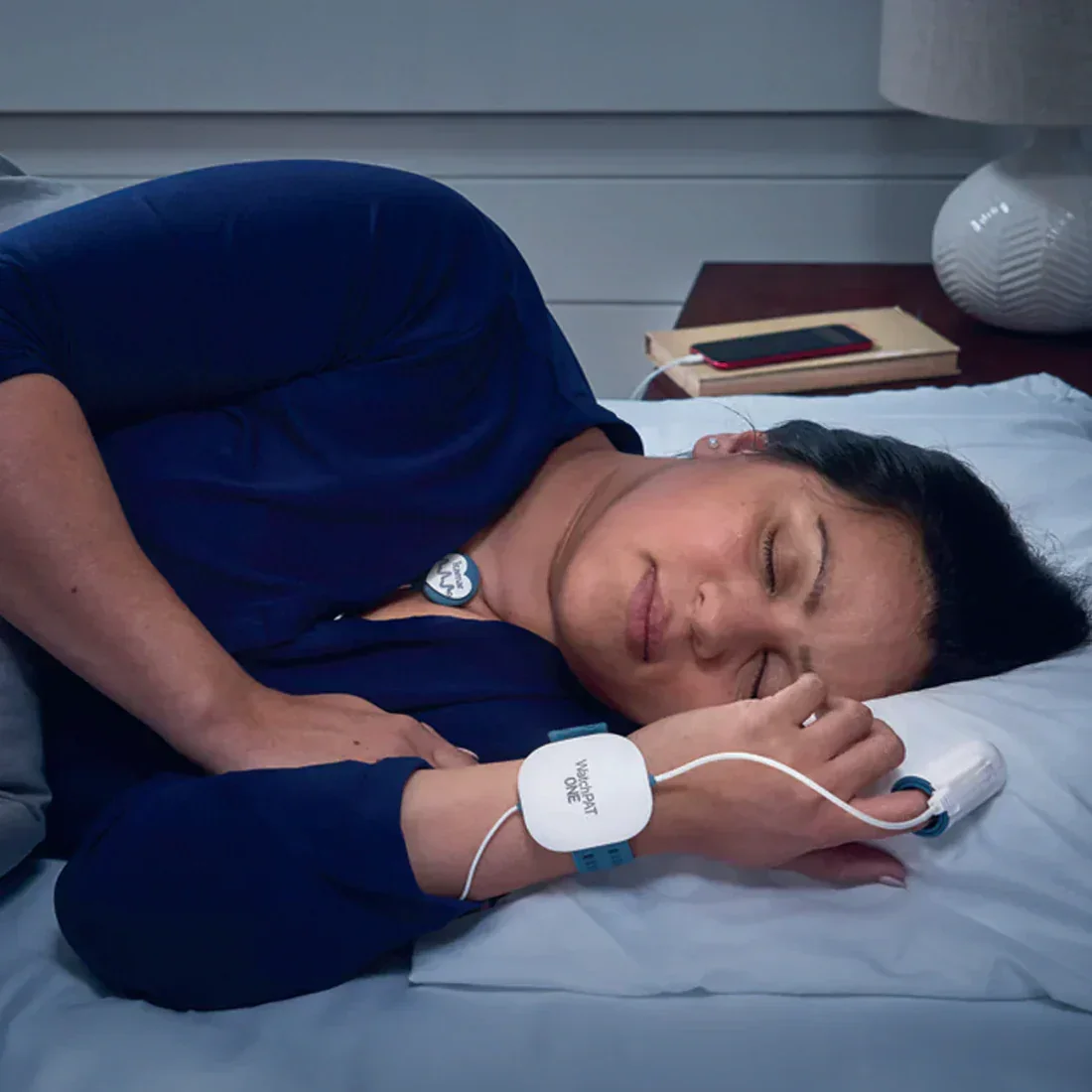
A sleep study is a diagnostic test that monitors and records the quality of your sleep overnight. Using a series of sensors, it measures key physiological signals while you sleep — and a sleep physician then analyses the results to determine whether you have sleep apnoea or another sleep disorder.
The report produced from a sleep study doesn't just confirm a diagnosis — it also identifies the severity of the condition, which is critical for choosing the right treatment. Whether that's CPAP therapy, an oral appliance, or another approach, no effective treatment plan should begin without knowing exactly what you're dealing with.
Who Should Have a Sleep Study?
The most common reason to have a sleep study is regular, loud snoring — particularly if it's disruptive enough that you or your partner have started sleeping in separate rooms. But snoring isn't the only indicator.
You may benefit from a sleep study if you experience any of the following:
Waking unrefreshed even after six or more hours of sleep
Excessive daytime sleepiness or difficulty concentrating
Waking during the night gasping or choking
A partner noticing pauses or disturbances in your breathing
It's worth noting that many people with significant sleep apnoea have no witnessed breathing disturbances. Assuming you're in the clear because no one has noticed anything unusual can be a dangerous misconception. Over 70% of regular snorers have some degree of sleep apnoea — and the vast majority have no idea.
What Does a Sleep Study Actually Measure?
Modern sleep studies capture a comprehensive picture of what's happening in your body overnight. Parameters typically measured include:
Airflow — whether there are any interruptions to breathing during sleep
Blood oxygen levels — which can drop during periods of reduced airflow
Snoring volume — measured in decibels
Body position — since sleep apnoea is often more severe when sleeping on your back
Heart rate — to detect any cardiac effects of disrupted breathing
Can Sleep Apnoea Be Diagnosed Without a Sleep Study?
No. While an experienced specialist can strongly suspect sleep apnoea based on your symptoms, a formal diagnosis is only possible through a sleep study. This distinction matters: symptoms alone cannot reveal the severity of the condition, and severity is the key factor in determining the best treatment.
Someone with loud snoring and extreme fatigue might have mild sleep apnoea. Another person with minimal symptoms could have a severe case. Without objective data, it's simply not possible to know — or to treat the problem effectively.
Do You Have to Sleep in a Hospital?
Not necessarily, and for most people, you won't need to. Thanks to advances in technology, the majority of sleep studies are now conducted in the comfort of your own home. Home-based testing is not only more convenient — it also tends to produce more accurate results, since you're sleeping in your natural environment rather than an unfamiliar clinical setting.
In-hospital sleep studies are generally reserved for more complex disorders such as night terrors, sleepwalking, restless leg syndrome, or insomnia, where live monitoring by sleep specialists is beneficial.
The Bottom Line
A sleep study is the essential first step toward understanding and treating sleep apnoea. Without it, any treatment is essentially a guess. With it, you have a clear, evidence-based path forward.
If you're experiencing snoring, daytime fatigue, or disrupted sleep, SleepWise Clinic can help. Call us on 1300 101 505 to find out more.