
How To Stop Snoring?
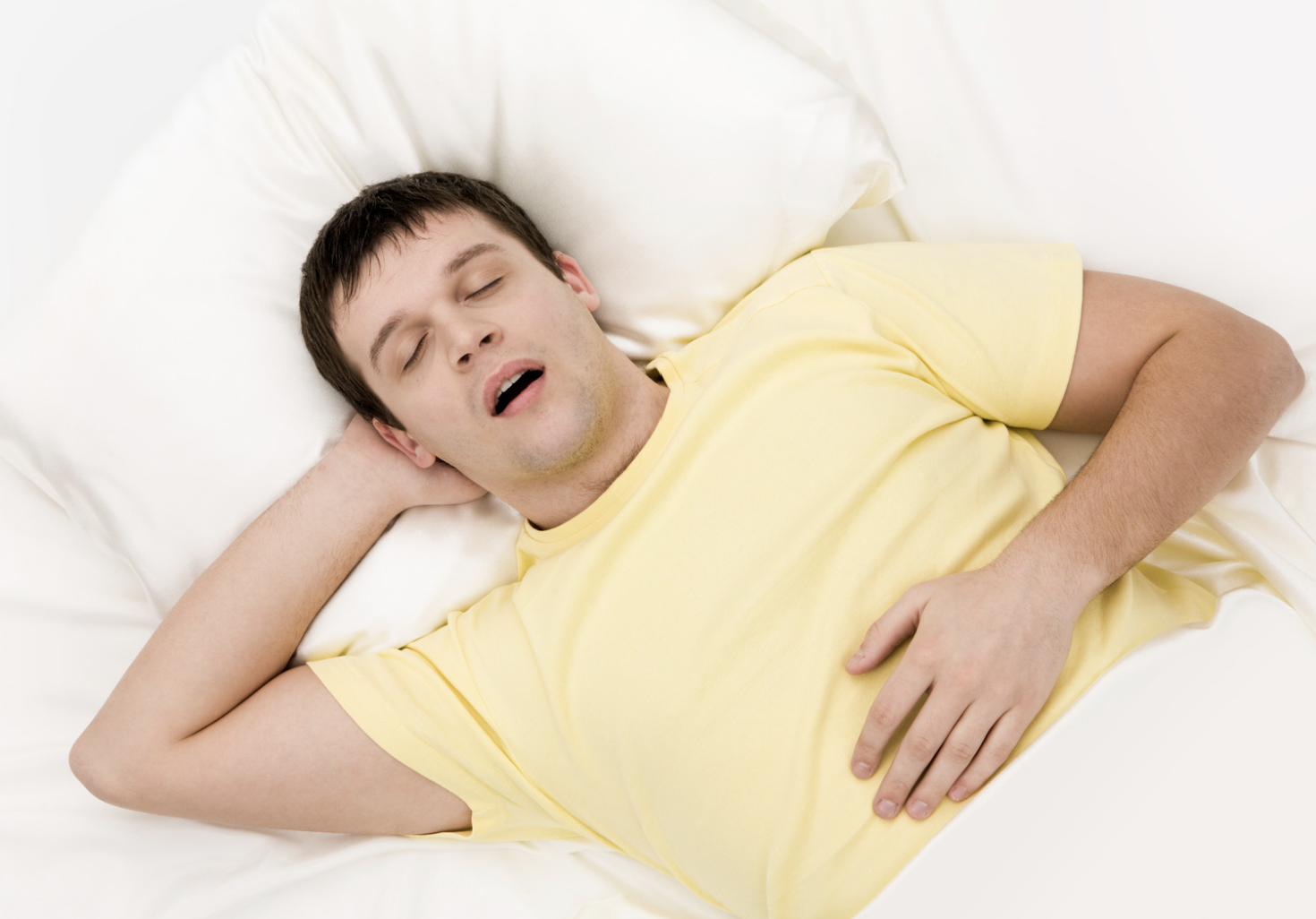
It's one of the most common questions we hear, and the honest answer is: not permanently, but that doesn't mean you're stuck with it. Snoring isn't something that gets ‘cured’ once and stays gone regardless of what you do afterward but for many people it can be dramatically reduced or effectively eliminated for as long as the underlying cause is addressed. For others, the realistic goal is consistent, reliable management that allows both the snorer and their partner to sleep soundly night after night. Understanding the difference, and what's achievable in your specific case, is what separates effective treatment from a series of disappointing product purchases.
If Snoring Cannot Be Stopped, When Can Snoring Be Significantly Reduced or Eliminated?
In cases where snoring is primarily driven by modifiable factors, meaningful and lasting improvement is absolutely achievable, for as long as those factors stay addressed. Significant weight loss reduces the volume of soft tissue surrounding the upper airway and can produce dramatic improvements in snoring. Eliminating alcohol before bed removes one of the most powerful airway relaxants. Treating underlying nasal obstruction, whether from allergies, a deviated septum, or chronic sinusitis, can reduce mouth breathing and its associated snoring substantially. For positionally dependent snorers, consistently sleeping on the side can be transformative.
The catch with purely lifestyle-based approaches is consistency. A lifestyle change that is maintained consistently produces consistent results, but snoring driven by weight, alcohol, nasal congestion, or sleep position will typically return if the underlying factor returns. That's not a failure of the approach; it simply means there's no permanent "cure" separate from what's driving the problem. For patients who want relief that doesn't depend on maintaining every lifestyle factor indefinitely, this is where an oral appliance offers something different.
Why a Mandibular Advancement Splint Offers Reliable, Consistent Relief
This is where a mandibular advancement splint (also known as a snoring mouthguard) becomes particularly valuable. Rather than relying on results that fluctuate with lifestyle adherence, a custom oral appliance delivers consistent airway support every single night it is worn. By holding the lower jaw gently forward during sleep, it mechanically keeps the airway open regardless of what the day involved, whether there was a glass of wine at dinner, a later-than-usual bedtime, or a stressful week that disrupted the usual routine.
Clinical studies have demonstrated custom mandibular advancement splints to be 95% effective in addressing problematic snoring, making them one of the most reliably performing treatments available. For most patients, the snoring either stops or is reduced to a level that no longer disturbs their partner. Sleep quality improves alongside it, as the same airway support that reduces snoring also reduces the sleep fragmentation that snoring produces. The result is not just quieter nights, it is genuinely more restorative sleep for the ex-snorer and their bed partner (and family too!)
Can Surgery Cure Snoring?
In selected cases, surgical intervention can produce lasting structural changes that reduce snoring. Procedures targeting the soft palate, uvula, tonsils, adenoids, or nasal passages may be considered where there is a clear structural driver. However, surgery carries risks, requires recovery time, and does not guarantee results, and is typically explored after conservative treatment options have been assessed. An ENT surgeon is the appropriate specialist for this pathway.
FAQ: What Do I Need To Do First To ‘Cure’ My Snoring?
Before pursuing any snoring treatment, the most important question to answer is whether obstructive sleep apnoea is present. Snoring that is a symptom of sleep apnoea requires treatment that addresses the apnoea, not just the noise. A sleep study is the only definitive way to answer this question, and it should be the starting point for anyone whose snoring is loud, habitual, or accompanied by daytime symptoms.
For most people, a meaningful, consistent, and lasting reduction in snoring is a very realistic goal. The key is identifying what's driving it in your case and matching the treatment accordingly.
FAQ: Can I Stop My Snoring Permanently Without a Snoring Mouthguard?
For some people, yes - if the cause is fully within your control and you're willing to maintain the change indefinitely. Significant weight loss, cutting out evening alcohol, treating nasal congestion, or switching to side-sleeping (positional therapy) can eliminate snoring on their own. The trade-off is that the moment the underlying factor returns, the weight creeps back, the wine resumes, the congestion or hayfever flares, the snoring typically does too. It's not that the fix didn't work; it's that the cause was never removed, only managed - this is why snoring is usually described as a condition that can be managed and not ‘cured’.
FAQ: Why Do Online Anti-Snoring Mouthguards Not Work?
Over-the-counter nasal strips, sprays, and generic mouthguards often fail because they're one-size-fits-all solutions to a problem that isn't one-size-fits-all. Snoring can originate from the nose, the soft palate, the tongue base, or a combination of sites, and a generic device usually addresses only one possible cause - if it addresses the right one at all. A custom mandibular advancement splint is fitted to your own bite and airway, which is a large part of why clinically it outperforms far more consistently than generic alternatives.
FAQ: Does Snoring Get Worse With Age?
Often, yes. Muscle tone in the throat and tongue naturally decreases with age, and weight distribution can shift toward the neck and upper airway over time - both of which make the airway more prone to collapsing or vibrating during sleep. Hormonal changes, particularly around pregnancy, perimenopause, menopause and even post menopause can also increase snoring risk in women. This doesn't mean snoring is untreatable as you get older; it usually just means the underlying drivers are more physiological than lifestyle-based, which is where treatments like oral appliance therapy tend to be more effective than lifestyle changes alone.
FAQ: Am I a Suitable Candidate for a Mandibular Advancement Splint?
Most people who snore - with or without mild to moderate obstructive sleep apnoea - are potential candidates for a mandibular advancement splint, though suitability depends on factors like jaw structure, dental health, and the severity of any underlying sleep apnoea. The only way to know for certain is a proper assessment with a SleepWise Sleep Medicine Dentist. All our dentists are certified with the Australian Dental Association and accredited with the Australasian Sleep Association. During your assessment, we'll examine your dental health, oropharyngeal and temporomandibular joint (TMJ) and jaw structure, dental bite and range of movement, evaluate your suitability for a custom-fitted splint, and guide you toward the most effective treatment path - whether that's reducing significantly or managing your snoring, obstructive sleep apnoea, or both. Find out if an oral appliance is right for you here.
Call SleepWise Clinic on 1300 101 505 to find out what's driving your snoring and what treatment is right for you.
